
TL;DR: Shipping luxury items like accessories or watches safely means comparing protection, speed, packaging, signature options, documentation, and total cost before buying the label. For sellers handling luxury items like watches, jewelry, or collectibles, the goal is to protect the item and the transaction without letting insurance, delays, duties, or avoidable shipping costs erase profit.
You sold a watch, jewelry piece, or rare collectible for a strong price, but now the label decision can quietly eat into the profit. Shipping luxury items is not just about picking the fastest carrier or adding the most protection.
For high-value sellers, the real challenge is balancing speed, packaging, signature options, insurance, tracking, and total shipping cost before the order leaves your hands.
The right workflow helps you protect the item, the buyer’s trust, and your margin with fewer last-minute surprises.
Here’s What We’ll Cover
How do you ship luxury items without margin loss?

To ship luxury items like accessories and watches without margin loss, check the full cost before buying the label. Look at speed, protection, packaging, signature, tracking, proof, and total price. The best choice is not always the fastest or cheapest. It is the option that protects the item, the buyer, and your profit.
Why does margin loss happen at the label stage
Margin loss often starts when the seller only looks at the shipping rate. That rate may not show every cost tied to the order.
Before buying a label, check:
- Protection or insurance options
- Signature confirmation
- Packaging supplies
- Tracking needs
- International duties or customs forms
- Buyer messages
- Platform rules or seller protection needs
A luxury watch may be small, but the shipping choice is not small. One missed cost can turn a strong sale into a stressful one.
Why “fastest” and “cheapest” are incomplete answers
Fast shipping can lower transit time, but it may cost more. Cheap shipping may protect your margin at first, but it can create more risk if tracking or delivery control is weak.
A better question is: which option gives this shipment the right mix of cost, speed, and control?
What costs can quietly eat into a high-value shipment?

A high-value shipment can cost more than expected when you only check the base shipping rate. Protection, signature, packaging, faster delivery, duties, and platform rules can all change the real cost. That is why sellers should check the full shipment cost before choosing the label.
Base rate vs. total shipping cost
The base rate is only one part of the decision. For a luxury watch or other high-value item, the real cost may include:
- The shipping service
- Protection or declared value fees
- Signature confirmation
- Packaging materials
- International duties or taxes
- Address or delivery issues
- Time spent fixing mistakes
A lower rate may still be the wrong choice if it creates more risk.
Protection and signature costs
Protection and signature options can help, but they also affect profit. The goal is not to add every extra service. The goal is to choose the right extras for the item’s value and delivery risk.
| Cost factor | Why it matters | What to ask before paying |
|---|---|---|
| Protection | Helps reduce financial risk | What does it cover? |
| Signature | Adds delivery proof | Can the buyer sign for it? |
| Faster delivery | Shortens transit time | Is speed worth the cost? |
| Packaging | Helps prevent damage | Is the item secure? |
| International duties | Affects the buyer | Who pays extra costs? |
Packaging and proof costs
Good packaging costs money, but weak packaging can cost more. Damage, disputes, and claim problems can be much more expensive than a few extra supplies.
Plan for sturdy boxes, padding, tape, labels, and time to take photos before you ship.
International duties and buyer fees
For international shipments, duties, taxes, and customs forms can change the buyer’s final cost. These costs depend on the country, item type, value, and paperwork.
Before shipping, make sure the buyer knows what may happen after the package arrives.
Is declared value the same as shipping insurance?

Declared value and shipping insurance are not the same thing. Declared value usually relates to the carrier’s possible liability. Insurance or third-party protection may have separate costs, rules, limits, and claim steps. Sellers should know the difference before assuming an expensive watch is fully protected.
What declared value usually means
Declared value tells the carrier the stated value of the package. It may affect how much the carrier could be responsible for if something goes wrong.
That does not always mean you will get the full amount back. Rules can vary by carrier, item type, service, proof, and claim review.
What shipping insurance may cover
Shipping insurance or third-party protection may add another layer of coverage. But it can still come with rules.
Before paying, check:
- What items are covered
- What proof is needed
- Whether loss or damage is included
- What is excluded
- How claims are reviewed
Do not assume “insured” means “fully covered no matter what.”
Why carrier liability limits matter
Carrier liability limits affect how much risk you keep as the seller. This matters when the item’s value is much higher than a normal order.
For high-value shipments, understand the limits before you buy the label.
What proof may help if there is a claim
Good records can help if there is a claim or buyer dispute. Keep proof of:
- Item condition before packing
- Packing steps
- Final sealed package
- Shipping label
- Drop-off receipt or scan
- Tracking updates
- Buyer messages
For extra-services planning, USPS also recommends keeping a mailing receipt and proof of value when filing an insurance claim, which makes its USPS insurance and extra services page a useful reference for high-value shipments.
How should you compare speed, protection, and profit before buying a label?

Before choosing a shipping label, compare speed, protection, tracking, signature, destination, and total cost. Faster shipping can lower transit time, but it can also raise costs. A slower secure option may offer more control, but it may not match what the buyer expects.
When speed matters most
Speed matters when the buyer expects fast delivery or the item should spend less time in transit.
Fast shipping can make sense for:
- Luxury watches
- Fine jewelry
- High-value gifts
- Time-sensitive orders
- Buyers who paid for faster delivery
When protection matters more than speed
Protection matters more when the item is hard to replace, easy to damage, or likely to create a dispute.
This is where packaging, signature, proof, and tracking become just as important as the carrier.
When margin should guide the decision
Margin should guide the decision when costs start to stack up. Faster service, extra protection, and better packaging can all cut into profit.
The goal is to protect the order without paying for options that do not match the risk.
What to compare before choosing a carrier
| Decision path | Best when | Watch-out |
|---|---|---|
| Faster service | Buyer expects speed | Higher label cost |
| More secure handoff | Item value is very high | May take more time |
| Lower-cost option | Margin is tight | May offer less control |
| International express | Buyer is overseas | Duties and forms may add friction |
Once you know which path fits the shipment, reviewing practical shipping rate comparison tips can help you weigh speed, service level, and cost before buying the label.
What should you check before buying the label?

Before buying the label, check payment status, item value, destination, buyer expectations, protection options, packaging needs, signature needs, and total cost. This review helps sellers avoid a label that looks affordable at first but creates risk, delays, or profit loss later.
Confirm payment and order details
Do not ship a high-value item until the key details are clear.
Check:
- Buyer name and address
- Item sold
- Final sale amount
- Shipping method promised
- Platform rules or requirements
Check item value and protection needs
Ask what happens if the package is lost, damaged, or delayed. Then choose protection based on the real risk, not habit.
Review destination and buyer expectations
A domestic buyer, international buyer, marketplace buyer, and wholesale buyer may all expect different things.
Before you ship, confirm:
- Delivery speed
- Signature needs
- Tracking expectations
- Duty or tax responsibility
- Any special delivery notes
Compare total cost before choosing the label
This is where Rollo Ship can help. Once you know the shipment’s risk level, you can compare carrier options and review label choices in one workflow instead of jumping between tabs.
Save proof before handoff
Before drop-off, save photos and records. After handoff, keep the receipt and tracking details.
How should you package and document a luxury watch shipment?

Packaging should reduce movement, impact, moisture risk, and outside attention. Proof should show the item’s condition, packaging, label, and handoff record. For a luxury watch shipment, the goal is to protect the item and create a clear record if a claim or dispute happens.
Use right-sized packaging
The package should not be too loose or too tight. Too much empty space lets the item move. Too little padding can expose it to impact.
Reduce movement inside the box
Use padding around the watch box or inner package. The item should not shift when the box is gently moved.
Keep exterior labeling discreet
Avoid outside clues that make the package look expensive. Keep all required shipping and customs details accurate, but do not add luxury cues to the box.
Photograph the item and package
Take photos of:
- The item
- The inner packaging
- The outer box
- The sealed package
- The shipping label
These records can help if a buyer question, carrier issue, or claim appears later.
Save receipts, scans, and tracking records
A clean label matters, too. A reliable thermal label printer, like the Rollo Wireless Label Printer, can help reduce smudges, ink issues, and hard-to-scan labels in your shipping workflow.
Print Cleaner Labels for High-Value Shipments
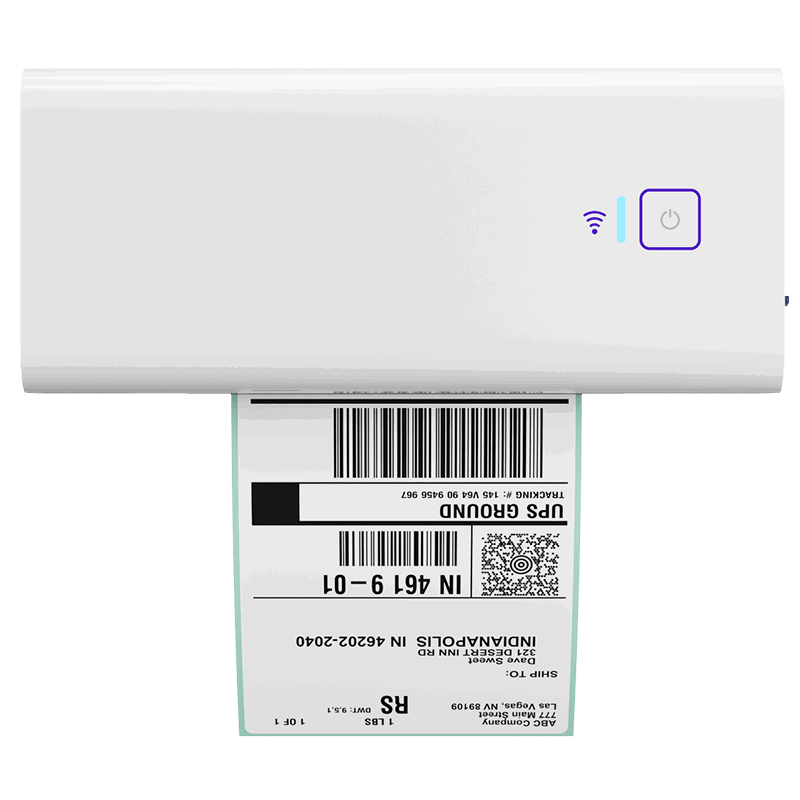
When the item is expensive, small label issues can create big headaches. The Rollo Wireless Printer helps sellers print crisp, scannable shipping labels without ink, so your high-value shipment workflow stays cleaner and easier to manage.
Which shipping approach fits watches, jewelry, and collectibles?

Luxury items like watches, fine jewelry, comics, sports memorabilia, and collectibles all need care, but they do not share the same risks. Some can break, bend, get wet, or spark delivery disputes. The best shipping workflow should match the item’s weak point.
Luxury watches
Watches need strong padding, tracking, signature consideration, and proof. The main risks are loss, theft, damage, and buyer disputes.
Fine jewelry and accessories
Jewelry is small and easy to misplace. Use secure inner packaging, limit movement, and document the package before shipping.
Sports memorabilia
Signed balls, cards, jerseys, or display items may need protection from dents, bending, moisture, or surface damage.
Comics and paper collectibles
Paper collectibles need rigid support. The goal is to prevent bending, corner damage, and moisture exposure.
Small high-value collectibles
Small collectibles can feel easy to ship, but value changes the process. Treat them like high-risk orders, not everyday packages.
What should sellers know before shipping luxury items internationally?

International watch shipments can involve duties, taxes, product codes, forms, and buyer-expectation issues. A shipment that looks profitable at home can become more complex across borders. Sellers should clarify who handles costs, paperwork, and delays before the package leaves.
Customs duties and import taxes
Duties and import taxes vary by country and item. The buyer may face extra costs after the package arrives, depending on the sale terms.
HTS codes and product descriptions
International shipments may need accurate product descriptions and customs codes. If details are wrong, the package may be delayed or questioned.
Buyer expectations around duties
Do not let duties become a surprise. Tell the buyer what they may be responsible for before you ship.
What to clarify before shipping
Check:
- Destination country
- Declared value
- Required forms
- Buyer duty responsibility
- Delivery timeline
- Tracking expectations
For international shipments, pre-label comparison and cost awareness become even more important.
How do marketplace and Direct-to-Consumer (DTC) sellers avoid high-value shipping gaps?

Marketplace and DTC sellers often start with the easiest label option, but high-value shipments need an extra review. Platform defaults may not cover every protection, signature, customs, packaging, or margin issue. Treat the platform label flow as a starting point, not the full shipping decision.
eBay and watch resale orders
Resale orders can involve high buyer expectations and dispute risk. Review signature, tracking, protection, and proof before choosing the label.
Shopify and WooCommerce jewelry stores
DTC sellers need a repeatable process. One-off shipping choices can work at low volume, but higher order volume needs more consistency.
Depop collectible and accessory sellers
Depop sellers often ship unique or handmade items. Packaging and buyer messages matter because replacement may not be simple.
Multichannel sellers
If you sell across platforms, a central workflow can reduce confusion. Rollo Ship can help compare options without relying on one platform’s default label flow.
Where does Rollo Ship fit when margin protection matters?

Rollo Ship fits after you understand the shipment’s value, risk, destination, and buyer expectations. At that point, comparing carrier options before buying the label can reduce guesswork. It does not replace packaging, proof, or protection choices, but it can make the label workflow easier to manage.
Compare carrier options before committing
Rollo Ship helps sellers compare carrier options in one place. That is useful when speed, cost, and delivery control all matter.
Keep the label workflow in one place
Instead of switching between carrier sites and platform screens, sellers can keep more of the label workflow together.
Pair rate comparison with a pre-label checklist
A simple workflow looks like this:
- Confirm payment and buyer details
- Check shipment risk
- Review protection and signature needs
- Compare carrier options
- Buy and print the label
- Save proof and tracking
Print clean labels for high-value shipments
A clean label is a small detail until it causes a scan issue. Rollo’s label workflow and thermal printing setup can help sellers keep fulfillment cleaner and more organized.
What mistakes cause margin loss when shipping luxury items?

Margin loss often comes from small choices made too fast. Common mistakes include choosing by base rate alone, misunderstanding declared value, skipping proof, ignoring signature needs, using weak packaging, or failing to explain international duties. These mistakes are easier to avoid with a pre-label review.
Choosing by price alone
The cheapest label may not be the best value if it creates more delivery risk.
Assuming declared value equals full protection
Declared value is not the same as guaranteed payment if something goes wrong. Read the rules before relying on it.
Skipping photo proof
Photos take minutes. Missing proof can create bigger problems later.
Forgetting buyer communication
Tell buyers what to expect with tracking, signature, and international duties.
Ignoring international cost surprises
Cross-border shipments need extra review. Duties, taxes, and forms can affect both profit and customer satisfaction.
Compare Shipping Options Before You Buy the Label
Protecting your margin starts before the package leaves your hands. With Rollo Ship, you can compare carrier options, review label choices, and keep your shipping workflow organized in one place.

Final Words
Shipping luxury items without margin loss comes down to seeing the full picture before you buy the label. The base rate is only one part. Protection, signature options, packaging, proof, delivery speed, duties, and buyer expectations can all affect the final cost and risk. Before you ship, compare the item’s value, destination, and delivery needs. A clear workflow helps protect the item, the sale, and your profit with fewer surprises.
Follow Rollo on:
Frequently Asked Questions About Shipping Luxury Items
📌 Q: What is the safest way to ship a luxury watch without losing profit?
💭 A: Compare protection, delivery speed, signature options, packaging, proof, and total cost before buying the label. The right choice protects both the item and the sale.
📌 Q: Is declared value the same as shipping insurance?
💭 A: No. Declared value usually relates to carrier liability. Insurance or third-party protection may have separate costs, exclusions, claim rules, and proof requirements.
📌 Q: What costs can reduce profit when shipping a luxury watch?
💭 A: Protection, faster delivery, signature options, packaging supplies, duties, and buyer-facing fees can all affect profit. Review total shipping cost, not just the base rate.
📌 Q: Should I require signature confirmation for expensive watches or jewelry?
💭 A: Signature confirmation is often worth considering for high-value shipments, and sellers comparing secure mailing options may also want to understand the difference between registered vs. certified mail before choosing a service. It adds delivery proof, but it should not replace tracking, packaging, proof, or protection.
📌 Q: What is the best packaging for luxury watches?
💭 A: Use secure, right-sized packaging with enough padding to stop movement. The goal is to reduce impact, moisture risk, and outside attention.
📌 Q: How do I ship collectibles without damaging them?
💭 A: Match packaging to the item’s weak point. Comics need rigid support, jewelry needs small-item security, and memorabilia needs padding that protects surfaces.
📌 Q: What should I check before shipping luxury items internationally?
💭 A: Check duties, taxes, product codes, buyer expectations, forms, and who is responsible for extra costs.
📌 Q: Is platform shipping enough for high-value marketplace orders?
💭 A: Platform shipping can be convenient, but high-value orders still deserve an extra review of carrier options, protection, signature needs, packaging, and total cost.
📌 Q: How can Rollo Ship help with luxury watch shipments?
💭 A: Rollo Ship can help sellers compare carrier options and buy labels in one workflow after reviewing shipment value, destination, speed needs, and protection requirements.


