
TL;DR: Shipping sports equipment gets expensive when bulky dimensions, DIM weight, oversize fees, returns, and cross-border details change the real cost. Sellers need to measure the packed box, compare carrier options, plan for return risk, and know when a shipment may need parcel, LTL, or 3PL support.
You pack a hockey bag, lacrosse stick, or fishing rod expecting a normal label cost, then the final shipping price suddenly looks nothing like your estimate.
That is the problem with shipping sports equipment: the real cost often depends on the packed size, shape, return risk, and whether the order crosses a border or starts looking more like a team shipment than a standard parcel.
For sellers, the goal is not just finding a cheaper label. It is knowing what can raise the cost before you buy it, so every shipment feels less like a guess.
Article Highlights
Why Do Sports Equipment Shipping Costs Jump So Quickly?

Sports equipment shipping costs jump when the packed item is bulky, long, awkward, fragile, or difficult to return. The label price may change because carriers look at package dimensions, DIM weight, handling needs, destination, and sometimes cross-border requirements, not just the product’s actual weight.
Weight is only one part of the cost
A lightweight item can still be expensive to ship if it takes up a lot of space. That is where many sports gear sellers get surprised.
A lacrosse stick, fishing rod, foam pad, or training aid may not feel heavy. But once it is packed in a long or oversized box, the package can become expensive because of its size.
Common cost drivers include:
- Actual weight
- Packed length, width, and height
- DIM weight
- Oversize or additional handling risk
- Residential delivery
- Return shipping
- Cross-border paperwork or fees
The packed box matters more than the product alone
Carriers price the shipment, not the item sitting on your table. That means the final box size matters more than the product’s raw dimensions.
A fishing rod in a protective tube, for example, may be safer in transit. But that extra length or width may also change the shipping profile.
The real cost can change before and after the sale
The real cost is not just the number shown when you first quote the label. It can also include packaging materials, return risk, time spent comparing carriers, and possible corrections if the package details were off.
For bulky sports gear, small measurement mistakes can turn into expensive surprises.
What Fees and Pricing Traps Make Sports Gear More Expensive?

The most common pricing traps are DIM weight, oversize fees, additional handling, wrong box size, residential delivery, and post-shipment adjustments. These fees usually appear when the package takes up more space, needs special handling, or was measured differently than the seller expected.
DIM weight in plain English
DIM weight is a pricing method that looks at how much space a package takes up. A large, light package may be priced more like a heavier package because it fills more room in a truck or facility.
For sports gear, this matters because many items are:
- Long but light
- Bulky but not dense
- Odd-shaped
- Packed with protective material
- Hard to fit into standard boxes
Oversized and additional handling risk
Oversized fees and additional handling charges can show up when a package is large, awkward, heavy, or hard to process like a standard box.
This is common with sports equipment because the packaging often needs to protect the item and fit unusual dimensions.
Box size, empty space, and measurement mistakes
A box that is “close enough” can still be a problem. Empty space can increase DIM weight, and rough measurements can lead to incorrect rate estimates.
Before buying a label, check:
- Packed length
- Packed width
- Packed height
- Actual weight
- The box fits around the item
- Protective material
- Carrier rules for the service selected
Post-shipment adjustments and why documentation matters
Sometimes the amount charged later may differ from the first quote if the package is remeasured or reweighed. That is why it helps to document the shipment before handoff.
Take a photo of the packed box, label, and measurement setup when the item is bulky or near a size limit.
Print Clean Labels Once the Shipping Plan Is Set
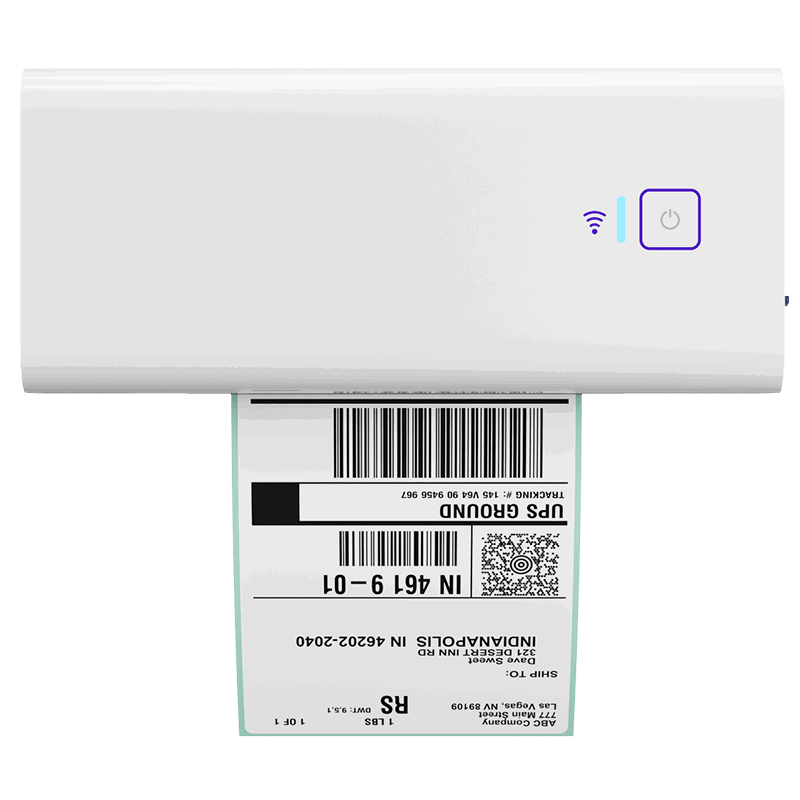
Once you have measured the box, compared your options, and chosen the right label, the Rollo Wireless Printer helps you keep the final step fast and organized with crisp, ink-free 4×6 label printing.
Which Sports Gear Types Create the Biggest Shipping Traps?

Different sports gear creates different shipping problems. Lacrosse sticks, fishing rods, fencing equipment, hockey bags, training equipment, and outdoor gear can trigger cost traps through length, bulk, fragility, packaging needs, return difficulty, or team-order volume.
| Gear type | Main shipping trap | Why it happens | What to check first |
|---|---|---|---|
| Lacrosse sticks | Long package size | The item may need a long box or tube | Packed length and box fit |
| Fishing rods | Fragility + length | Protective tubes can add size | Protection vs. final dimensions |
| Fencing equipment | Long, narrow shape | Gear can be awkward to pack safely | Box strength and measurement accuracy |
| Hockey bags and pads | Bulk | Soft goods can still take up a lot of space | DIM weight and return risk |
| Training equipment | Weight + size | Some items may approach parcel limits | Parcel vs. freight fit |
| Team orders | Multiple-unit complexity | One order may contain many boxes or mixed items | Package count and shipping mode |
Long gear: lacrosse sticks, fishing rods, fencing equipment
Long gear often creates cost problems because length is hard to hide. Even if the item is not heavy, the package may be awkward to move, price, or return.
Bulky gear: hockey bags, pads, and training equipment
Bulky gear can be tricky because it may look simple to ship until the box is packed. Pads, bags, foam items, and training tools can take up more room than expected.
Fragile or high-value outdoor gear
Outdoor gear may need stronger protection, which can increase package size. The mistake is choosing protection without checking how it changes the final shipping cost.
Team orders with multiple items
Team orders can create a different problem. One customer may order multiple items, but not every item belongs in the same box or shipping mode.
Why Should Sellers Plan for Returns Before Shipping Bulky Gear?

Returns can turn sports equipment shipping into a margin problem because bulky items may need another large label, fresh packaging, inspection, and possible resale markdowns. If the original box is damaged or discarded, the return can become harder and more expensive than the outbound shipment.
Why bulky returns cost more than standard returns
A small apparel return may fit into a basic mailer. A hockey bag, training tool, or fishing rod usually does not.
Bulky returns may require:
- A larger return label
- Replacement packaging
- More inspection time
- Damage checks
- Extra customer instructions
Why repackaging can change the return cost
Original packaging often does not survive the first trip. If the buyer sends the item back in a larger or weaker box, the return can cost more and arrive in worse condition.
That risk should shape how you pack the first shipment.
How return policies affect margin risk
A generous return policy can help sales, but it should match the economics of the product. For bulky sports gear, sellers should think through who pays return shipping, what packaging is required, and whether the item can be resold if returned.
When Does Bulky Sports Gear Stop Being a Parcel Shipment?

Bulky sports gear may stop fitting a normal parcel workflow when the packed shipment becomes too large, too heavy, palletized, or difficult for standard carrier handling. At that point, sellers may need to compare LTL freight or 3PL support instead of forcing the order through a parcel label.
Signs a shipment may be beyond parcel handling
A shipment may need a different path when it is:
- Too large for standard parcel handling
- Too heavy for normal package movement
- Better shipped on a pallet
- Going to a team, school, club, or facility
- Part of a bulk order with many units
Why parcel and LTL decisions are not always obvious
Some shipments sit in the gray area. They are technically shippable as parcels, but the cost may be high because of size, handling, or multiple boxes.
That is where sellers should compare options before choosing a label.
Why team orders cross the line faster than single orders
A single pair of pads may be fine as a parcel. A full team order with bags, sticks, uniforms, and training equipment may need a different plan.
The order structure matters as much as the item.
Should Sellers Use Platform Shipping, Shipping Software, 3PL, or LTL?

The best shipping setup depends on package size, order volume, destination, return risk, and whether the shipment is parcel-eligible. Platform shipping can work for simple orders, shipping software helps compare parcel rates, 3PLs fit recurring fulfillment needs, and LTL may fit larger or palletized shipments.
| Option | Best for | Watchout | Sports gear example |
|---|---|---|---|
| Platform shipping | Simple orders from one marketplace | Limited flexibility for complex packages | One standard-size accessory order |
| Shipping software | Parcel-eligible orders needing rate comparison | Not a full freight solution | Bulky but manageable hockey gear |
| 3PL | Ongoing fulfillment volume | May be too much for seasonal sellers | Regular monthly sports equipment orders |
| LTL freight | Large, heavy, palletized, or bulk shipments | More planning and documentation | Multi-box team equipment order |
When platform shipping may be enough
Platform shipping may work when the item is small, standard, and easy to price. It is convenient for simple orders where the package does not need much comparison.
When shipping software helps
Shipping software helps when sellers need to compare rates, manage labels, and avoid jumping between carrier sites. For parcel-eligible sports gear, Rollo Ship can support that workflow by helping sellers compare USPS and UPS rates and print labels from a cleaner order process.
When a 3PL may make sense
A 3PL may make sense when order volume is steady, storage needs are predictable, and fulfillment is taking too much internal time.
It may not be the best fit for a one-time seasonal order.
When LTL should be considered
LTL may be worth considering when the order is too large, too heavy, or better handled as freight. This is especially true for palletized team orders or large training equipment.
Why seasonal team sellers may fall between options
Seasonal sellers often do not ship enough to justify a full 3PL, but their orders may still be too complex for a basic platform label. That middle ground is where planning matters most.
How Do Cross-Border Team Orders Change the Cost?

Cross-border team orders can raise costs because sellers may be handling multiple units, larger boxes, customs documents, duties or taxes, and delivery expectations for clubs, schools, or team managers. These orders need more planning than a standard domestic shipment.
Why team orders behave differently from single-customer orders
A team order may include multiple items, boxes, sizes, and delivery instructions. One order can quickly become a small fulfillment project.
What changes when a shipment crosses a border
Cross-border shipping may involve documentation, duties, taxes, and extra communication with the buyer. For US to Canada shipping, sellers should check official guidance and carrier requirements before sending the order.
When mixed parcel and freight shipments create confusion
Some team orders include small items and bulky gear. Jerseys may ship as parcels, while larger equipment may need another method.
That split can affect tracking, delivery timing, and customer expectations.
What sellers should confirm before shipping
Before shipping a cross-border team order, confirm:
- Destination type
- Number of packages
- Packed dimensions
- Item descriptions
- Tracking expectations
- Return plan
- Any documentation requirements
How Can Sellers Reduce Shipping Cost Surprises Before Buying the Label?

Sellers can reduce shipping cost surprises by measuring the packed box, checking DIM and oversize risk, comparing carrier options, documenting the shipment, and choosing packaging that protects the item without adding unnecessary size. The goal is a more predictable real cost, not just the lowest visible label price.
Measure and weigh the packed shipment
Measure the final package after the item is packed. Do not rely on product dimensions from the listing.
Check DIM and oversize risk
Look at whether the box is much larger than the item. If it is, the package may create DIM weight or oversize risk.
Compare rates before committing
Compare carrier options before buying the label. Rollo Ship can help parcel-eligible sellers compare USPS and UPS rates in one workflow instead of checking each carrier separately.
Document the package before handoff
For bulky gear, take photos of the packed box and label. This gives you a record if questions come up later.
Print the label and track the order
Once the rate and package details look right, print a clean label and track the shipment. The Rollo Wireless Label Printer can support this part of the workflow with ink-free label printing for sellers who ship regularly.
A simple pre-label process looks like this:
- Pack the item safely.
- Measure the final box.
- Weigh the shipment.
- Compare carrier options.
- Check return risk.
- Document the package.
- Print the label.
- Track the order.
What Mistakes Cause Sellers to Overpay for Shipping Sports Equipment?

Sellers often overpay when they choose boxes that are too large, enter rough dimensions, compare only one carrier, ignore return costs, or treat every order like a standard parcel. The most expensive mistake is buying a label before understanding the packed shipment’s real cost profile.
Watch for these common traps:
- Using the wrong box size: Extra space can raise the DIM weight.
- Comparing only one carrier: One option may look easy, but not be the best fit.
- Ignoring return exposure: The return can cost more than expected.
- Forgetting cross-border details: Documentation and duties can change the buyer experience.
- Treating freight-style orders like parcels: Some large orders need a different shipping path.
- Skipping documentation: Photos and measurements can help if a shipment is questioned.
- Overfocusing on “cheap”: The lowest visible price may not account for damage or return risk.
Compare Rates Before Sports Gear Shipping Gets Expensive
Rollo Ship helps parcel-eligible sellers compare USPS and UPS rates, create labels, and manage shipments from one cleaner workflow, so bulky sports gear feels less like a guessing game.

Final Words
Sports equipment shipping costs can rise quickly when bulky dimensions, DIM weight, oversize fees, returns, and cross-border details are not planned early. The safest approach is to treat every shipment as a full workflow, not just a label purchase. Measure the packed box, compare carrier options, choose packaging carefully, and think through return risk before the order leaves your hands. For parcel-eligible sports gear, a cleaner rate-comparison and label-printing process can help sellers reduce guesswork and ship with more confidence.
Follow Rollo on:
Frequently Asked Questions About Shipping Sports Equipment
📌 Q: What is the cheapest way to ship bulky sports equipment?
💭 A: The cheapest option depends on packed size, weight, destination, and carrier rules. Compare rates before buying a label and avoid oversized packaging that increases DIM weight.
📌 Q: Why is shipping sports equipment more expensive than normal packages?
💭 A: Sports gear often has long, bulky, fragile, or awkward dimensions. Those traits can trigger DIM weight, oversize fees, extra handling, higher return costs, or freight-style planning.
📌 Q: How can sellers avoid oversized fees before buying a label?
💭 A: Measure the packed box, use packaging that fits closely, compare carrier options, and check whether the item’s size creates DIM or oversize risk before committing to the label.
📌 Q: How do I ship lacrosse sticks?
💭 A: Use protective packaging that does not add unnecessary length or empty space. Measure the packed shipment, compare carrier options, and consider return risk before buying the label.
📌 Q: How do I ship fishing rods?
💭 A: Fishing rods usually need long, protective packaging. Balance protection with package dimensions so the shipment does not become larger or more expensive than necessary.
📌 Q: How do I ship fencing equipment?
💭 A: Fencing equipment can create length and protection challenges. Measure the packed item carefully, protect delicate components, and compare rates before choosing a label.
📌 Q: When should sellers consider LTL freight for sports gear?
💭 A: Consider LTL when an order is too heavy, too large, palletized, or difficult for standard parcel handling. This is especially relevant for bulk team orders or large training equipment.
📌 Q: Should I use platform shipping or shipping software for sports equipment?
💭 A: Platform shipping may work for simple parcel orders. Shipping software can help when sellers need carrier rate comparison, order organization, and label printing for parcel-eligible gear.
📌 Q: Can Rollo help with sports equipment shipping?
💭 A: Rollo can help with parcel-eligible sports gear by letting sellers compare USPS and UPS rates, print labels, and manage orders in a cleaner workflow. Very large or freight-style orders may require LTL or 3PL support.


