
TL;DR: Home decor shipping gets expensive when fragile packaging, package dimensions, DIM weight, billable weight, returns, and oversize fees overlap. Sellers shipping lamps, framed prints, welcome kits, or event décor rentals should check the packed box, compare carrier options, and understand return risk before printing a label.
You pack a lamp carefully, print the label, and still wonder why the final cost feels higher than the order can handle.
That is the problem with home decor shipping. Fragile items need protection, but extra padding, larger boxes, return risk, DIM weight, billable weight, and oversize fees can turn a normal shipment into a margin hit.
For sellers shipping framed prints, welcome kits, décor rentals, or bulky accents, the goal is not just to ship safely. It is to understand the cost traps before the label is printed, so each order feels easier to plan.
Here’s What We’ll Cover
What Home Decor Shipping Costs Do Sellers Usually Miss?

Sellers often miss the costs that show up after the item is packed, measured, returned, or adjusted. Home décor shipping costs can include more than the visible label price: package dimensions, DIM weight, billable weight, oversize fees, breakage risk, return shipping, and time spent fixing damaged orders.
The label price is not always the full cost
A label is only one piece of the shipping cost. The real cost may also include:
- Extra packaging materials
- Larger boxes or inserts
- Return shipping
- Replacement shipping
- Customer service time
- Damaged inventory
- Manual carrier comparison
That is why a shipment can look affordable at first, then feel too expensive once the full order workflow is considered.
Why packed dimensions matter
Home décor sellers often focus on the item itself. But carriers care about the final packed box.
A framed print, mirror, lamp, or ceramic piece may need padding, corner protection, or a larger corrugated box. Those choices can increase the package dimensions, which may affect the final shipping cost.
Why damage and returns belong in the cost calculation
Breakage is not just a packaging issue. It can become a shipping cost issue.
If an item arrives damaged, the seller may deal with a return, refund, replacement, or second shipment. For fragile décor, that risk should be considered before the label is printed.
Why Do DIM Weight and Billable Weight Create Surprise Fees?

DIM weight is based on package size, while actual weight is based on how heavy the shipment is. Billable weight is the weight used to price the shipment. For bulky but lightweight home décor, the packed box can raise the billable weight even when the item itself is not heavy.
Actual weight vs DIM weight
Actual weight is simple: it is how much the packed shipment weighs.
DIM weight is different. It is tied to the space a package takes up. This matters for bulky product shipping because a large but lightweight box can still cost more than expected.
What billable weight means
Billable weight is the number used to calculate the shipping price. Depending on the shipment, it may be based on actual weight, dimensional weight, or another carrier-specific pricing method.
The key point: the packed box matters.
Why bulky but lightweight décor can cost more
Think of a large wall accent, a lamp shade, or a wide framed print. The item may not feel heavy, but the package can take up space.
That is where sellers get surprised. They expected cost to follow weight, but the shipment may be priced around size.
| Term | What it means | Why sellers should care |
|---|---|---|
| Actual weight | How heavy the packed shipment is | Useful, but not always the full pricing picture |
| DIM weight | Package-size-based weight | Can affect bulky or lightweight décor |
| Billable weight | Weight used to price the shipment | Helps explain why the final cost changes |
How Can Protective Packaging Raise the Final Shipping Cost?

Protective packaging helps reduce breakage risk, but it can also make the package larger. Extra padding, double boxing, inserts, or larger corrugated boxes may increase the final dimensions, which can affect DIM weight, billable weight, or oversize fee exposure before the label is printed.
The breakage vs box-size tradeoff
The goal is not to use less protection. The goal is to protect the item while understanding how that protection changes the final package.
For fragile item shipping, sellers should think about two questions together:
- Will this packaging protect the item?
- Will this packaging change the shipping cost?
When extra padding is worth it
Extra padding often makes sense for mirrors, ceramics, framed prints, glassware, lamps, and décor with delicate corners.
A slightly larger package may be worth it if it reduces damage risk. But sellers should still measure the packed box before buying the label.
Why sellers should measure after packing
Do not estimate from the product page or the item alone. Measure after the item is fully packed.
A small change in box size may affect the rate shown by a carrier or shipping app. Measuring the finished package gives you a clearer view before you commit.
Print Clean Labels After You Check the Box
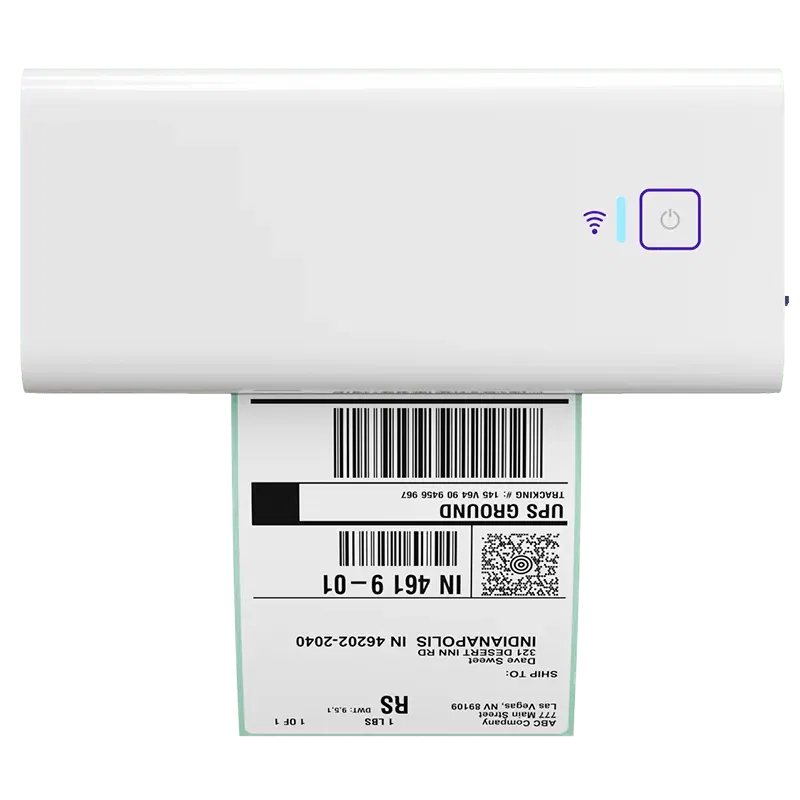
Once your fragile item is packed, measured, and ready to ship, Rollo’s Wireless Label Printer helps you print crisp 4×6 labels without ink, cartridges, or extra setup friction.
Which Home Décor Products Create the Biggest Cost Traps?

The biggest cost traps usually come from products that are fragile, bulky, odd-shaped, or likely to be returned. Lamps, mirrors, framed prints, welcome kits, event décor rentals, and large accents all create different shipping risks, so sellers should match the packaging and carrier decision to the item type.
| Item type | Common missed cost or risk | What to check before printing |
|---|---|---|
| Lamps and lighting | Breakage, odd shapes, larger boxes | Padding, box size, packed weight |
| Framed prints and mirrors | Corner damage, glass risk, oversized packaging | Corner protection, dimensions, carrier options |
| Vacation rental welcome kits | Multiple items, fragile bundles, presentation needs | Package type, inserts, return risk |
| Event décor rentals | Return shipping, timing issues, damaged inventory | Tracking, return workflow, package durability |
| Hawaiian-inspired retail bundles | Mixed shapes, fragile goods, brand presentation | Void fill, box fit, label accuracy |
Lamps and lighting
Lamps can be awkward because the base, shade, and fragile parts may need different protection. That can create a larger package than expected.
Framed prints, mirrors, and wall décor
Flat items can still be difficult. Corners, glass, and frame edges need protection, which may increase package dimensions.
Vacation rental welcome kits
Welcome kits often combine small items in one package. That can create shifting, breakage, or presentation issues if the packing layout is not planned.
Event décor rentals
Décor rentals add return complexity. The same item may need to survive the outbound shipment, event handling, and return shipping.
Hawaiian-inspired retail bundles
Bundles can include mixed shapes or delicate items. Sellers should plan the package around protection, presentation, and label accuracy.
How Do Returns and Damage Change the Real Shipping Cost?

Return workflow showing how damaged décor can create return and replacement shipping.
A damaged home décor shipment can create more costs than the original label. The seller may have to handle return shipping, replacement shipping, refunds, customer messages, and damaged inventory. That makes breakage risk part of the shipping cost, not just a packaging problem.
The hidden cost of damaged items
A broken item can create several problems at once:
- The original label is already paid.
- The product may not be sellable again.
- The customer may expect a replacement.
- The seller may need to pay for another shipment.
- The return may require more support time.
Why returns can double the shipping problem
Returns are especially painful for fragile décor because the replacement may need the same careful packaging. If the second shipment also needs extra protection, the cost issue repeats.
How customer expectations affect margin pressure
Customers may not see the shipping complexity behind the order. They just expect the item to arrive safely.
That is why sellers need a workflow that reduces surprises before fulfillment starts.
Should Sellers Trust Platform Labels or Compare Carriers First?

Platform labels can be convenient, but fragile or bulky home décor often needs more comparison before purchase. Sellers should consider whether their current workflow shows package dimensions, carrier options, tracking, return risk, and label costs clearly enough before they commit to a shipment.
| Option | Best for | Watch out for |
|---|---|---|
| Platform shipping | Simple orders and familiar workflows | Limited comparison if the shipment is bulky or fragile |
| Carrier websites | Direct carrier access | More manual checking across carriers |
| Multi-carrier shipping app | Comparing rates before buying labels | Requires accurate package inputs |
When platform shipping may be enough
Platform shipping can work well for simple, repeatable products. If your package type rarely changes, convenience may matter most.
When carrier websites may help
Carrier websites can be useful when you want to check a specific service. The downside is that comparing across carriers can take more time.
When a multi-carrier shipping app makes sense
A multi-carrier app makes sense when you ship different item types and need to compare options before printing. Rollo Ship fits here as a practical option for sellers who want to compare carrier rates before committing to a label.
What Should Sellers Check Before Printing a Label?

Before printing a label, sellers should check the packed box dimensions, actual weight, item fragility, package type, carrier options, return risk, tracking needs, and label accuracy. This pre-label check helps catch common cost traps before the seller commits to a label.
Use this quick workflow before buying the label:
- Pack the item first.
Do not price the shipment based only on the item size. - Measure the packed box.
Check length, width, and height after padding, inserts, or double boxing. - Weigh the packed shipment.
Use the finished package, not the unpacked product. - Review the package type.
Compare box, mailer, flat packaging, or custom packaging based on the item. - Check fragile and return risk.
Ask whether damage would create return shipping or replacement shipping. - Compare carrier options.
Look at rates, services, tracking, and fit for the package. - Print a clean label.
Make sure the label is readable and attached securely. - Track the shipment.
Keep the order workflow organized after the package leaves.
This does not need to be complicated. It just needs to be repeatable.
How Can Rollo Ship Help Sellers Catch Costs Before They Print?

Rollo Ship fits when sellers want to compare carrier rates, choose a label, print it, and keep the workflow organized. For fragile or bulky home décor, the value is checking options before the order leaves the workspace, not trying to fix shipping surprises after the fact.
Compare options before committing
Rollo Ship helps sellers compare available shipping options before buying a label. That matters when package dimensions, weight, and carrier choice can change the final cost.
Print professional labels without ink
A clean label keeps the workflow moving. Rollo’s Wireless Label Printer supports ink-free thermal printing, which helps sellers avoid ink issues, misprints, and label setup friction.
Keep shipping workflow in one place
For sellers managing Shopify, Etsy, WooCommerce, Amazon, or other channels, fewer tabs can make shipping easier to control. The goal is simple: compare, print, and track with less guesswork.
Compare Rates Before You Print
Rollo Ship helps sellers compare carrier options, choose labels, and keep orders moving from one dashboard, so fragile or bulky shipments feel easier to plan before they leave your workspace.

Final Words
Home decor shipping costs can rise fast when fragile packaging, package dimensions, DIM weight, billable weight, returns, and oversize fees overlap. For sellers shipping lamps, framed prints, mirrors, welcome kits, or event décor rentals, the best move is to check the packed box before buying a label. Measure it, weigh it, compare carrier options, and think through return risk. A clearer pre-label workflow helps you catch common cost traps earlier and ship each order with fewer surprises.
Follow Rollo on:
Frequently Asked Questions About Home Decor Shipping Costs
📌 Q: Why did my home décor shipment cost more than expected?
💭 A: Your shipment may have cost more because the packed box was larger than expected, the item triggered dimensional weight, or the package had oversize risk. Fragile packaging, returns, and carrier choice can also affect total cost.
📌 Q:What fees do sellers miss with home decor shipping?
💭 A: Sellers often miss costs tied to package dimensions, DIM weight, billable weight, oversize fees, damaged items, return shipping, replacement shipping, and time spent fixing fulfillment problems.
📌 Q:What is DIM weight in home decor shipping?
💭 A: DIM weight is a pricing method based on package size. For bulky but lightweight décor, the packed box may affect the billable weight more than the item’s actual weight.
📌 Q:What is billable weight?
💭 A: Billable weight is the weight used to calculate the shipping price. It may be based on actual weight, dimensional weight, or another carrier-specific pricing method depending on the shipment.
📌 Q:How can I reduce breakage without making shipping too expensive?
💭 A: Use enough protective packaging to secure the item, then measure and weigh the packed box before buying the label. The goal is to protect the product while understanding how package size affects shipping cost.
📌 Q:Should home décor sellers use platform shipping or compare carriers?
💭 A: Platform shipping can be convenient, but fragile or bulky orders may benefit from carrier comparison. Sellers should check package dimensions, rate visibility, tracking, return risk, and label workflow before committing.
📌 Q:What should I check before printing a label?
💭 A: Check the packed box dimensions, actual weight, item fragility, package type, carrier options, return risk, tracking needs, and label accuracy. These inputs help sellers catch common cost traps earlier.
📌 Q:Which home décor items are most expensive to ship?
💭 A: Lamps, mirrors, framed prints, ceramics, bulky décor, event décor rentals, and welcome kits can become expensive because they often combine fragility, larger packaging, odd shapes, and return risk.
📌 Q:How do returns affect home décor shipping costs?
💭 A: Returns can add costs beyond the original label. If an item arrives damaged, the seller may need to manage return shipping, replacement shipping, refunds, customer support, or damaged inventory.


