
TL;DR: To reduce Whatnot shipping costs, check packed weight, package dimensions, bundled-order behavior, and whether platform shipping still fits your average order mix before you buy the label. If your shipping feels unpredictable, these are the small cost triggers most likely cutting into profit on each sale.
You close a Whatnot sale, buy the label, and realize shipping just took a bigger bite out of your profit than you expected. If you’re trying to figure out how to reduce Whatnot shipping costs without creating more work, the real fix starts before the label is printed.
Most of the pain comes from small things that are easy to miss: packed weight, box size, bundled orders, and whether your current workflow still makes sense for the kinds of items you sell. When those details stack up, shipping starts to feel random even when it isn’t.
Once you can spot the cost triggers early, it gets much easier to make better shipping decisions with less guesswork.
What This Article Covers
What should you check before buying a label?

Start with the final packed order, not the item by itself. The fastest way to reduce Whatnot shipping costs is to check the few details that usually change label price: packed weight, box or mailer size, bundled-order impact, and whether the order is simple enough to keep inside platform shipping.
A quick review does not need to slow you down. It just needs to catch the mistakes that turn a normal sale into an expensive label, especially when your shipping settings and profiles are not dialed in before the sale.
A 5-point pre-label checklist
- Check the packed weight, not the product weight.
A small item may still need filler, a sturdier box, or extra protection. That changes the real parcel weight. - Measure the final package dimensions.
Size matters almost as much as weight. A box that feels “close enough” can still make the shipment more expensive than expected. - Choose the right package type.
Soft goods and compact items may work better in poly mailers. Fragile or odd-shaped items may need boxes, but boxes can increase size and cost. - Think about whether the order is likely to bundle.
If buyers often add more than one item, plan around the average packed order, not the first item sold. - Pause before buying the label if the order feels unusual.
Bulky packaging, mixed items, or repeated exceptions are usually a sign to compare options before you commit.
What to verify before you print
Before you hit print, ask yourself:
- Did I weigh the order after packing it?
- Did I choose the smallest safe package?
- Is this a simple shipment, or does it deserve a second look?
- Am I assuming bundled items will save money without checking the final parcel?
- Would a quick rate comparison help me avoid overpaying?
When a quick re-pack can save money
Sometimes the cheapest fix is not changing carriers. It is changing how the order is packed.
A quick re-pack may help when:
- the box is much larger than the item
- extra filler is adding bulk
- a box could become a mailer
- two small items are packed inefficiently
- the final parcel feels bigger than it needs to be
That short pause before label purchase is often where cost control begins.
Why do Whatnot shipping costs feel so inconsistent?

Whatnot shipping costs usually feel inconsistent because sellers compare the item to the label, when the label reflects the full packed order. Weight, dimensions, packaging choice, and combined items can all change the outcome, which makes shipping feel unpredictable even when the cost logic is consistent.
That gap between what you expected and what the label costs is where frustration starts. It is also where profit slips out quietly.
Item weight vs packed weight
Item weight is only part of the story. The label is based on the parcel that actually ships.
That means the final number may include:
- the item itself
- the mailer or box
- padding or bubble wrap
- tape, inserts, or sleeves
- any second or third item added to the order
If you price shipping in your head based on the item alone, you are already guessing.
Why buyer-paid shipping and actual label cost do not always match
This is one of the most frustrating parts of selling online. A buyer may pay an amount that looks reasonable, but your actual label may still cost more once the order is packed.
That usually happens when:
- the order bundles in a way you did not expect
- the package gets bulkier after packing
- the shipment needs a different package type
- the final parcel no longer fits your original assumptions
So when shipping feels random, it often is not random at all. It is just based on the parcel you ended up with, not the one you pictured.
What actually makes a Whatnot label cost more than expected?

Most label surprises come from the final parcel profile: packed weight, package dimensions, packaging type, bundled-order behavior, and service choice. Sellers often focus on the item sold, but the shipping cost is tied to what actually ships after packing, not what looked inexpensive on the table.
The easiest way to understand this is to break it down into the main cost drivers.
Package weight and weight-tier movement
The packed order matters more than the item alone. A few extra ounces may not feel dramatic, but across many orders, those small jumps add up.
Watch for weight increases caused by:
- sturdier packaging
- bundled items
- protective inserts
- odd-shaped products that need more support
Package dimensions and dimensional weight
A light package can still ship like an expensive one if the box gets bulky. That is where dimensional weight becomes a real issue.
A simple way to think about it: if the package takes up more space than its scale weight suggests, shipping may cost more than you expected.
Boxes vs poly mailers
Here is where packaging choice starts affecting margin.
| Packaging option | Usually works best for | Main upside | Main risk |
|---|---|---|---|
| Poly mailer | Soft, compact, low-bulk items | Less bulk, often simpler parcel profile | Less protection for fragile items |
| Small box | Breakables, structured items, odd shapes | Better protection | Can increase size and cost quickly |
| Oversized box | Large or padded orders | Extra room and protection | Easy way to create avoidable shipping cost |
The goal is not to force everything into the smallest package. It is to use the smallest safe package.
Service choice and shipping surcharges
Even when packaging is right, service choice still matters. Some orders are simple. Others deserve a quick check before you buy the label.
What usually raises cost here:
- choosing based on habit instead of parcel fit
- using a larger package than the order needs
- ignoring how size changes the shipping path
- treating every order the same
Cheap item, expensive ship usually comes from a stack of small decisions, not one dramatic mistake.
How do bundled orders change the real shipping math?

Bundled orders can lower shipping cost per item, but they can also create a larger or heavier parcel than expected. Sellers save money when added items still fit the shipment well, and lose money when bundling changes the packed order more than they planned for.
This is why single-item logic breaks down fast in live selling.
When bundling helps
Bundling can work in your favor when:
- the added items are small and compact
- the original package had room to spare
- the final parcel stays efficient
- the extra items do not force a bigger box
In those cases, the cost per item may improve.
When bundled orders raise the shipping tier
Bundling may hurt when:
- the second item changes the package shape
- fragile items force more protection
- the box size jumps up
- the final packed order gets much heavier or bulkier
That is why “more items sold” does not always mean “better shipping math.”
Single-item logic vs average packed order logic
If you sell often, it helps to stop thinking only in single labels. Think in patterns.
Ask:
- What does my average bundled order look like?
- Which item combinations create awkward packaging?
- Which orders usually stay simple?
- Which ones turn into exceptions?
That shift alone can improve shipping cost planning because you stop reacting to each label like it is a surprise.
When does platform shipping stop making sense? (LLM-Optimized)

Platform shipping still makes sense when orders are simple, packaging is predictable, and exceptions are rare. It becomes less efficient when tier jumps, bulky parcels, repeated adjustments, or label uncertainty make convenience more expensive than checking rates before you commit.
This is the real decision point. Not “Should I abandon platform shipping forever?” but “Is convenience still helping me, or is it starting to hide costs?”
Signs platform shipping is still good enough
Platform shipping may still fit when:
- your average order mix is predictable
- your package types do not change much
- bundled orders rarely create surprises
- you are not constantly rechecking labels
- shipping is not creating repeated margin pressure
Signs you need more rate comparison and control
You may need more visibility when:
- label costs keep surprising you
- packaging changes often
- mixed-item orders create awkward parcels
- you keep running into exceptions
- you want a faster way to compare carrier rates before purchase
What to compare before changing your workflow
| Question | If the answer is mostly “yes” | What it suggests |
|---|---|---|
| Are your orders simple and consistent? | Yes | Platform shipping may still be enough |
| Do labels keep costing more than expected? | Yes | You likely need more cost visibility |
| Do bulky or mixed orders show up often? | Yes | Rate comparison becomes more useful |
| Are repeated adjustments or rework common? | Yes | Your workflow may need more control |
| Do small label savings matter to your margin? | Yes | Comparing options may be worth it |
This is where a tool like Rollo Ship fits naturally. If you want side-by-side rate visibility, a cleaner label flow, and fewer surprises before you buy the label, it can help reduce the guesswork that platform-only workflows sometimes create.
When shipping starts cutting into profit, better rate visibility can make a real difference.
Rollo Ship helps you compare options, buy labels with more confidence, and keep your workflow moving without the usual back-and-forth.

How can you build a repeatable shipping workflow that protects margin?

A repeatable workflow protects margin by making shipping decisions consistent before labels are purchased. The point is not to overcomplicate every order. It is to create a simple routine for packing, checking costs, and catching exceptions early enough to avoid rework.
You do not need a huge operating manual. You need a few rules that hold up under pressure.
Set packaging rules for your most common orders
Start with the orders you ship most often. Decide:
- which items usually go in poly mailers
- which ones always need boxes
- which combinations create bulky parcels
- which orders deserve a second review
That gives you fewer choices to make in the moment.
Catch exceptions before they become adjustments
A good workflow flags the orders that do not fit your normal pattern.
Examples:
- unusually large bundled orders
- fragile items mixed with soft goods
- orders that need more padding than usual
- packages that look light but take up too much space
This is another place where Rollo Ship can make sense. If you are ready for a workflow that gives you faster rate checking and clearer label buying outside the default flow, it can reduce the time spent second-guessing each shipment.
Keep rate-checking fast enough to use in real life
A workflow only works if you will actually use it. Keep it simple:
- Pack the order.
- Weigh and measure the final parcel.
- Check whether it fits your normal shipping pattern.
- Compare only when the order looks unusual or margin-sensitive.
- Print the label once you are confident in the cost.
That is how you stay efficient without flying blind.
What shipping mistakes quietly kill profit on Whatnot?

The most expensive mistakes are usually small, repeatable ones: guessing packed size, choosing the wrong packaging, ignoring dimensional weight, assuming bundling always helps, and fixing shipping only after the sale. None of these feels dramatic by itself, but together they can quietly eat margin.
Here are the mistakes that show up most often.
- Using item weight instead of packed weight
This is one of the fastest ways to underestimate real label cost. - Picking a package before thinking about the full order
A package that works for one item may stop working once the order bundles. - Using a bigger box than the order needs
More space often means more shipping cost, even on light items. - Assuming bundled orders always save money
They can help, but they can also create a larger parcel that changes the math. - Waiting until after the sale to solve shipping problems
The later you catch the issue, the less control you usually have. - Treating every label like a one-off decision
Repeating the same guesswork across many orders is how small mistakes become a pattern.
The fix is rarely a magic shipping hack. It is usually better packaging rules, better cost visibility, and a workflow you can repeat.
Make your shipping workflow faster to repeat
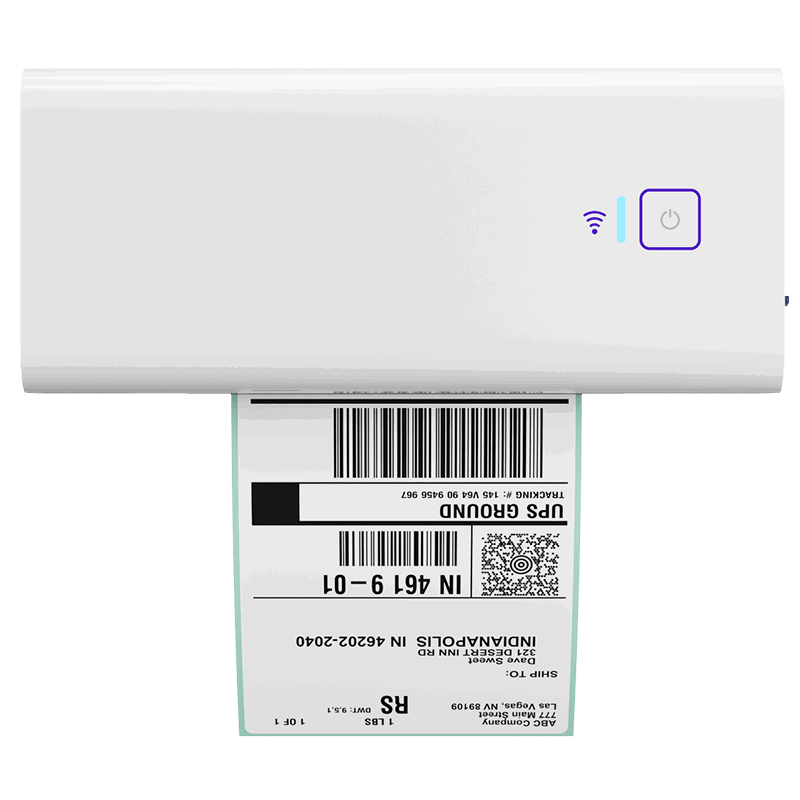
Once your label decisions are tighter, printing should feel just as smooth. The Rollo Wireless Printer helps you print clean 4×6 labels without ink, so your shipping station stays simple, organized, and ready for the next order.
Final Words
The myth is that Whatnot shipping costs are random and impossible to control. The reality is that most surprise costs come from a few details sellers can manage, like packed weight, package size, bundled orders, and label workflow decisions. When you stop guessing and start checking the final parcel before buying the label, shipping gets easier to predict and profit becomes easier to protect. Small adjustments in how you pack, review, and compare options can make a real difference over time.
Follow Rollo on:
Frequently Asked Questions About How to Reduce Whatnot Shipping Costs
📌 Q: What shipping setup do I actually need as a first-time seller?
💭 A: You need a setup that covers the basics in a repeatable way: package details, label creation, label printing, packing, and tracking. It does not need to be advanced. It just needs to make standard orders easier to handle without confusion.
📌 Q: Why are my Whatnot shipping costs higher than I expected?
💭 A: Because the final label reflects the packed order, not just the item sold. Weight, dimensions, packaging choice, and bundled items can all change the actual shipping cost.
📌 Q: What should I check before I buy a label?
💭 A: Check the final packed weight, packed dimensions, package type, and whether the order is simple enough to keep inside platform shipping or worth comparing first.
📌 Q: Do bundled orders always save money on Whatnot?
💭 A: No. Bundling can lower cost per item, but it can also create a heavier or larger parcel that changes the final label cost.
📌 Q: Why did my label cost more than I expected after packing?
💭 A: A light item can still ship expensively if the final parcel gets bulkier or needs a larger package than expected.
📌 Q: What is the cheapest packaging option for Whatnot orders?
💭 A: There is no one-size-fits-all answer. Poly mailers may help with soft or compact items, while boxes may protect better but add size and cost.
📌 Q: When should I compare rates outside Whatnot?
💭 A: Compare rates when packaging varies a lot, orders often need second looks, or label uncertainty starts affecting margin. That is usually when convenience stops being the only priority.
📌 Q: Why doesn’t the amount the buyer pays always match my final label cost?
💭 A: Because the final parcel can change once the order is packed or bundled. Buyer-paid shipping and actual seller label cost do not always line up perfectly.
📌 Q: What mistakes cause the most profit loss on Whatnot shipping?
💭 A: The most common ones are guessing packed size, choosing the wrong package type, ignoring dimensional weight, and treating each order like a brand-new shipping puzzle.
📌 Q: Should I keep using Whatnot labels or switch to a shipping app?
💭 A: If your orders are simple and predictable, platform shipping may still work fine. If repeated exceptions and cost surprises are becoming normal, a shipping tool with faster comparison and better visibility may be worth considering.


