
TL;DR: Nonprofit shipping is the process of sending packages, kits, merch, donor gifts, and event materials for a mission-driven organization. To avoid donor budget shock, small teams should separate nonprofit mail from parcel shipping, check package details, compare rates, and build a repeatable label workflow before buying labels.
You planned the donor gifts, packed the kits, or ordered event merch, then the shipping total came in higher than anyone expected.
That is where nonprofit shipping gets stressful: every label decision feels tied to donor trust, campaign budget, and the team’s ability to stay organized. The hard part is knowing when you are dealing with nonprofit mail, when you are really shipping parcels, and what to check before you pay for another label.
With the right workflow, small teams can compare costs earlier, avoid common shipping traps, and send packages with fewer surprises.
Here’s What We’ll Cover
What Does Nonprofit Shipping Actually Mean?

Nonprofit shipping means sending packages, kits, merch, donor gifts, event supplies, or program materials for a mission-driven organization. It is not always the same as nonprofit mail. That distinction matters because parcels often require package measurements, carrier comparisons, shipping labels, tracking, and workflow decisions before costs are locked in.
Nonprofit mail vs. nonprofit package shipping
Nonprofit mail usually refers to eligible mail sent through specific USPS nonprofit mailing programs. It is often tied to printed materials, mailing rules, and authorization requirements.
Nonprofit package shipping is broader. It covers parcels your team sends for campaigns, community programs, events, fundraising, or social enterprise orders.
| Shipping need | Usually means | Common examples | What to check |
|---|---|---|---|
| Nonprofit mail | Eligible mail sent under specific postal rules | Newsletters, appeals, postcards, printed updates | Eligibility, content rules, mailing setup |
| Nonprofit package shipping | Parcels sent to donors, buyers, volunteers, or event teams | Donor gifts, kits, merch, event supplies | Weight, dimensions, carrier, label cost, tracking |
| Mixed campaign shipping | A campaign using both mail and parcels | Appeal letter plus donor gift batch | Separate the mail workflow from parcel labels |
Why 501(c)(3) status does not solve every shipping cost
Nonprofit status can help with some mailing programs, but it does not automatically make every package cheaper. A box of merch, a donor thank-you gift, or a care kit may still need normal parcel-shipping decisions.
That means the team still needs to ask:
- Is this item mail or a parcel?
- Does it need tracking?
- How fast does it need to arrive?
- Is the package size creating extra cost?
- Are we comparing rates before buying labels?
Why packages need a different workflow
Packages are less predictable than printed mail. One item may fit in a small mailer. Another may need a box. A third may ship to a different state, office, donor, volunteer, or event location.
That is why nonprofit package shipping should start with package details, not just postage rules.
Why Do Shipping Costs Create Donor Budget Shock?

Shipping costs create donor budget shock when a nonprofit buys labels before checking package size, weight, destination, delivery speed, and carrier options. Small errors can multiply across donor gifts, kits, merch, or event materials, especially when a lean team or volunteers are shipping under deadline pressure.
The problem is rarely one bad label. It is usually a series of small decisions made quickly.
Common cost traps include:
- Package size surprises: A box may cost more than expected because of its dimensions.
- Weight mismatches: A gift that feels “light enough” may still land in a higher price range.
- Rushed timelines: Last-minute event shipping can limit affordable options.
- Manual entry mistakes: Address, weight, or service errors can create rework.
- Carrier habit: Teams may use the same carrier every time without checking alternatives.
- Scattered tracking: A volunteer may know one shipment status, while another person has the rest.
Package size and weight surprises
A small nonprofit may start with the item itself: a T-shirt, water bottle, sticker pack, care kit, or event supply box. But carriers price the shipment based on more than what the item is.
Package weight, dimensions, destination, service level, and the difference between flat rate vs. dimensional weight can all affect the final label cost.
Rushed campaign or event shipping
Deadlines create expensive choices. If event materials need to arrive by Friday, the team may not have time to compare options carefully.
That is when budget shock happens: the shipment has to go out, so the team pays whatever the label costs.
Manual label mistakes
Manual shipping can work for a few packages. It gets harder when the team is shipping 20, 50, or 100 items across different addresses.
Mistakes often come from:
- copying addresses between tools
- guessing package weights
- forgetting tracking needs
- buying labels one at a time
- using the wrong package type
Defaulting to one familiar carrier
A familiar carrier is not always the best fit. USPS may make sense for some shipments. UPS may fit others. Some situations call for comparing available rates before choosing.
The goal is not to find one “perfect” carrier. It is to choose based on the shipment in front of you.
What Should Nonprofits Check Before Buying Labels?

Before buying labels, nonprofits should check what they are sending, how each package is measured, where it is going, how fast it needs to arrive, and which carrier options are available. This pre-label check helps teams compare costs earlier and avoid surprises after the campaign is already moving.
Use this checklist before printing the next batch.
Item type: mail, kit, merch, donor gift, or supplies
Start by sorting shipments into groups. This helps the team avoid treating every item the same.
- Printed appeals or newsletters
- Donor thank-you gifts
- Community kits or care kits
- Social enterprise merch
- Volunteer materials
- Fundraising event supplies
Each group may need a different shipping approach.
Package details: weight, dimensions, and packaging
Before comparing rates, confirm the physical package details.
Check:
- Package weight
- Box or mailer dimensions
- Packaging type
- Fragility
- Number of items per package
- Whether the same package type will be used again
A simple kitchen scale and measuring tape can save a lot of guessing.
Destination: local, national, multi-location, or international
Shipping one local package is different from sending campaign materials across multiple regions. Multi-point shipping can create more variation in cost and timing.
For international causes, keep the guidance cautious. Rules can vary by destination, carrier, and item type.
Timing: flexible, deadline-driven, or event-based
Not every shipment needs the fastest service. A donor gift may have a flexible timeline. Event supplies may not.
Before buying labels, ask:
- Is there a hard delivery deadline?
- Can this arrive in a wider window?
- Is tracking required?
- What happens if it arrives late?
Label workflow: one-off, batch, or repeatable process
A one-off shipment can be handled manually. A recurring campaign needs a process.
When manual checking becomes slow, a tool like Rollo Ship can help teams compare available rates and organize labels in one place.
That matters most when you are shipping batches and want fewer chances for small mistakes.
How Can Nonprofits Reduce Shipping Costs Without Cutting Mission Impact?

Nonprofits can reduce shipping costs by planning shipments around item type, package size, carrier fit, delivery timing, and repeatable label workflows. The goal is not to cut corners. It is to protect donor funds by avoiding preventable overspend before kits, merch, donor gifts, or event materials leave the building.
Here are practical ways to do that without making the campaign feel cheap.
Group similar shipments before comparing rates
Do not compare every package from scratch. Group similar items first.
For example:
- T-shirts in poly mailers
- Donor gift boxes
- Care kits
- Event supply boxes
- Printed materials
- Mixed merch orders
This makes rate comparison easier and helps the team create a repeatable shipping workflow.
Avoid overpacking small or lightweight items
A sturdy box may feel safer, but it can increase cost when a padded mailer or smaller package would work.
Before choosing packaging, consider:
- Does the item need rigid protection?
- Is the box much larger than the item?
- Can similar items use the same package size?
- Will the packaging make label creation easier next time?
Match delivery speed to the real deadline
Fast shipping is useful when the deadline is real. It can be wasteful when the deadline is flexible.
A donor thank-you package may not need the same urgency as event signage. Separate “nice to arrive soon” from “must arrive by this date.”
Review what caused cost overruns after each campaign
After a campaign, look at what went wrong before moving on.
A quick review can reveal:
- which packages cost more than expected
- which destinations created delays
- which labels were difficult to create
- which package types should become standard
- which process confused the team
This turns one campaign into a better process for the next one.
Should Nonprofits Use USPS, UPS, or a Multi-Carrier Tool?

Nonprofits should choose a shipping option based on item type, package size, destination, delivery speed, and workflow needs. USPS may fit some mail or lightweight parcel needs, UPS may fit some package scenarios, and a multi-carrier tool can help when teams need to compare options before spending budget.
There is no single best answer for every nonprofit shipment. The better question is: which option fits this package, deadline, and workflow?
| Option | Use when | Watch out for | Decision factor |
|---|---|---|---|
| USPS | You are sending eligible mail, lighter parcels, or everyday packages | Nonprofit mail rules may not apply to every package | Is this mail or parcel shipping? |
| UPS | You are shipping certain parcels, heavier items, or boxes where UPS rates fit better | Costs can vary by package and service | Does the package size or destination change the best carrier? |
| FedEx | You need another parcel option for specific shipment needs | May add another place to compare and manage labels | Is it worth adding another carrier to the workflow? |
| Multi-carrier tool | You need to compare rates before buying labels | The team still needs accurate package details | Can one workflow reduce manual checking? |
When USPS may make sense
USPS can be useful for many nonprofit mailing and package needs. It is also the main source for nonprofit mail rules.
The key is not assuming USPS nonprofit mail applies to every shipment. Printed mail and parcel shipping are different decisions.
When UPS may make sense
UPS may fit some package scenarios, especially when the shipment is a true parcel rather than printed mail.
Compare based on the actual package, not the organization type alone.
When comparing multiple carriers matters
A multi-carrier workflow matters when:
- packages vary by size or weight
- the team ships in batches
- deadlines change by campaign
- volunteers need a simpler process
- the default carrier is not always the best fit
Rollo Ship can fit this decision point by helping teams compare available rates before buying labels, instead of jumping between carrier tools.
What not to decide based on carrier familiarity alone
A familiar carrier can feel safe. But nonprofit shipping should be based on package details, delivery needs, and budget visibility.
Use familiarity as a starting point, not the final answer.
How Should Nonprofits Ship Kits, Merch, Donor Gifts, and Event Materials?

Nonprofits should plan shipping around the item type instead of treating every shipment the same. A donor gift, care kit, merch order, and event supply box can each create different cost risks. Grouping shipments by use case makes it easier to check package details, compare rates, and avoid label mistakes.
| Use case | Common cost risk | What to check | Workflow note |
|---|---|---|---|
| Donor gifts | Nice packaging makes the parcel larger than expected | Gift size, packaging, delivery timing | Keep package types consistent when possible |
| Community kits or care kits | Different contents create different weights | Kit versions, weight, destination | Group similar kits before labels |
| Social enterprise merch | Shipping can reduce fundraising margin | Item type, packaging, returns, tracking | Treat it like an e-commerce workflow |
| Fundraising event materials | Late shipping can force faster service | Event date, destination, box size | Ship earlier when possible |
| Multi-location shipments | Costs vary across regions | Recipient list, address quality, carrier options | Compare rates before batch printing |
Donor gifts
Donor gifts should feel thoughtful, but they should still be planned like shipments. Packaging choices can change costs quickly.
Keep a small set of standard package types when possible. It makes measuring, comparing, and printing labels easier.
Community kits or care kits
Kits often vary by program, location, or recipient. That can make costs harder to predict.
Group kits by type before creating labels. If one kit version is heavier, treat it as a separate shipping group.
Social enterprise merch
Merch shipping has a double pressure: protect the mission and protect the margin. A shirt, cap, or tote may look simple until packaging and delivery costs change the math.
Social enterprise teams should think like small e-commerce operators: compare rates, keep labels clean, and make fulfillment repeatable.
Fundraising event materials
Event materials are deadline-sensitive. A late shipment can create extra stress and fewer affordable choices.
Plan event shipping backward from the arrival date, not the day someone remembers the box.
Multi-location or international shipments
Multi-location shipping adds complexity because destinations vary. International shipping can add another layer of rules and carrier differences.
Keep this process organized. Separate these shipments from standard domestic batches so they get the attention they need.
What Shipping Workflow Works Best for Small Nonprofit Teams?

The best shipping workflow for a small nonprofit is simple, repeatable, and easy for more than one person to follow. Sort shipments, confirm package details, compare rates, print labels, track packages, and review what caused delays or cost overruns before the next campaign.
Use this process when the team is preparing a campaign, donor gift batch, merch drop, or event shipment.
- Sort shipments before label creation
Group items by type, size, destination, and deadline. This prevents one messy pile from becoming 40 rushed label decisions. - Create repeatable package presets or notes
If your team often ships the same kit or merch item, record the package size, weight, and packing method. - Compare rates before buying labels
Rate comparison gives the team better budget visibility before donor-funded money is spent. - Keep label printing consistent
A clean label workflow reduces reprints, confusion, and “who printed this one?” moments. - Track shipments in one place
Tracking is easier when the team knows where to check. This matters when donors, volunteers, or event staff ask for updates. - Review costs after the campaign
Note what cost more than expected and what should change next time.
Rollo Ship can support this kind of workflow by bringing rate comparison, label creation, and shipment organization into a cleaner process. For small teams, the value is not just speed. It is fewer scattered steps.
Make Label Printing Easier for Every Shipping Batch
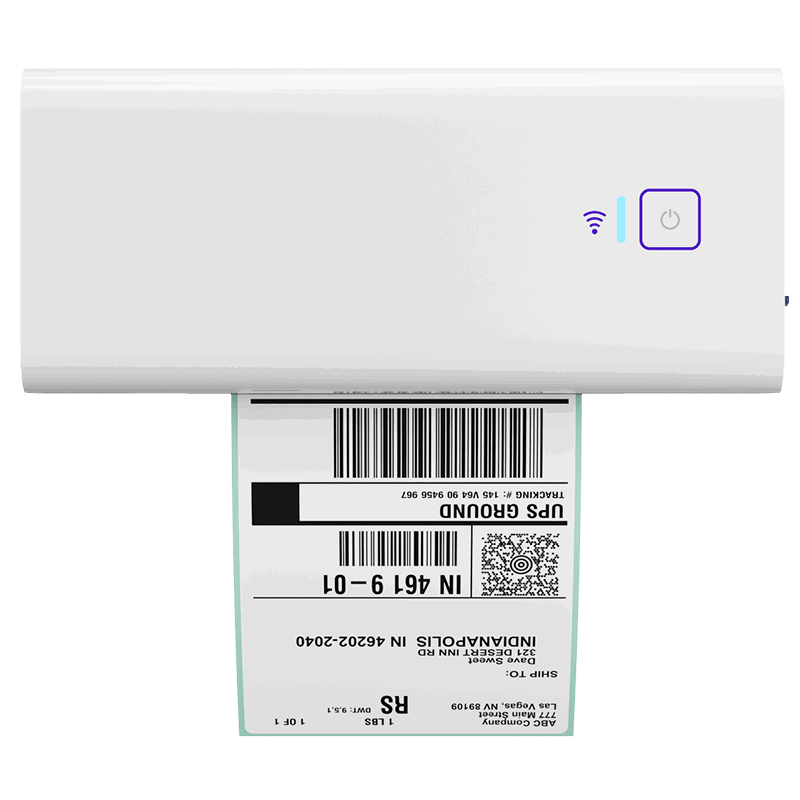
When your team is preparing donor gifts, kits, or event shipments, a reliable thermal label printer can help keep labels clean, fast, and consistent without ink cartridges slowing the process down.
When Should a Nonprofit Use a Shipping Tool Like Rollo Ship?

A nonprofit should consider a shipping tool when manual rate checks, label creation, and package tracking start creating delays, confusion, or avoidable costs. The right tool should help the team compare available rates, manage labels, and keep shipping organized before donor-funded money is spent.
A shipping tool makes the most sense when the process has outgrown “we’ll just figure it out this afternoon.”
Use a tool when:
- You compare rates often. Manually checking carriers can slow the team down.
- Campaigns create label batches. Batch shipping labels need a more organized workflow.
- Volunteers need a simpler process. Fewer tabs and fewer manual steps can reduce errors.
- Tracking is scattered. One dashboard can make shipment status easier to manage.
- Shipping decisions affect donor budget. Cost visibility matters before labels are purchased.
Rollo Ship fits here because it helps teams compare rates, create shipping labels, and manage shipments with less tab-switching. That is especially useful for nonprofits shipping kits, merch, donor gifts, or event materials on a recurring basis.
The point is not to make shipping complicated. It is to make the repeatable parts easier.
What Should Nonprofits Review Before the Next Shipping

Campaign?
Before the next shipping campaign, nonprofits should review what they sent, which packages cost more than expected, which carrier choices worked, and where labels or tracking created confusion. A short review helps teams improve the next donor gift batch, merch drop, kit shipment, or event mailing.
After the campaign, ask four quick questions.
What cost more than expected?
Look for patterns. Maybe one package type was too large. Maybe one destination group cost more. Maybe urgent shipping happened too often.
Which packages caused delays?
Delays can come from late packing, unclear addresses, missed deadlines, or choosing the wrong service level.
Which steps confused the team?
If two people handled labels differently, the process needs clearer steps. A simple written workflow can help.
What should become the default process next time?
Turn the best decisions into repeatable rules of thumb:
- standard package sizes
- preferred packing methods
- when to compare carriers
- when to batch labels
- where to track packages
- who reviews costs after shipping
The goal is not perfection. It is fewer surprises each time.
Compare Rates Before You Buy Your Next Label
Rollo Ship helps small teams compare available carrier rates, create shipping labels, and keep shipments organized in one workflow, so nonprofit shipping feels easier to manage from campaign to campaign.

Final Words
Nonprofit shipping is easier to control when teams separate mail from parcel shipping, check package details early, and compare options before buying labels. Donor gifts, kits, merch, and event materials all create different cost risks, so a repeatable workflow matters more than guessing from shipment to shipment. By sorting packages, checking weight and dimensions, choosing the right carrier fit, and keeping labels organized, nonprofits can protect donor-funded budgets and ship with fewer surprises. When shipping starts feeling scattered, Rollo Ship can help make the process simpler.
Follow Rollo on:
Frequently Asked Questions About Nonprofit shipping
📌 Q: What is nonprofit shipping?
💭 A: Nonprofit shipping means sending packages, kits, merch, donor gifts, event materials, or supplies for a nonprofit or mission-driven organization. It usually involves parcel decisions, labels, tracking, and carrier comparison.
📌 Q: Are nonprofit mailing rates the same as nonprofit shipping rates?
💭 A: No. Nonprofit mailing rates usually refer to eligible USPS mail categories, while package shipping depends on package size, weight, destination, carrier, and service level.
📌 Q: Do nonprofits automatically get discounted shipping?
💭 A: Not automatically. Some organizations may qualify for specific nonprofit mailing prices, but package shipping still requires checking available carrier rates and label options.
📌 Q: What should nonprofits check before buying shipping labels?
💭 A: Check the item type, package weight, dimensions, recipient location, delivery deadline, carrier options, tracking needs, and whether the shipment is mail or parcel shipping.
📌 Q: How can nonprofits reduce shipping costs for donor gifts?
💭 A: Nonprofits can group similar gifts, measure packages, compare available rates, choose the right delivery speed, and avoid last-minute label decisions.
📌 Q: Should nonprofits use USPS or UPS?
It depends on package type, destination, delivery timing, and cost. USPS may fit some mail or lightweight needs, while UPS may fit some parcel scenarios.
📌 Q: Can nonprofit mail be used for merch or donor gifts?
💭 A: It depends on the item and USPS eligibility rules. Many merch, kit, and donor gift shipments may need parcel-shipping labels instead of nonprofit mail treatment.
📌 Q: When should a nonprofit use a multi-carrier shipping tool like Rollo Ship?
A nonprofit should consider one when it needs to compare rates, create labels, track packages, or manage shipping batches without switching between multiple carrier sites.
📌 Q: What is the biggest nonprofit shipping mistake?
💭 A: A common mistake is buying labels before checking package details, carrier options, delivery needs, and whether the shipment is mail or parcel shipping.


