
TL;DR: Shipping costs for DTC orders between the US and Canada include fulfillment, carrier, storage, and returns costs. Canada orders often add duties, taxes, and brokerage fees that raise the total cost. For DTC brands, the biggest cost drivers are weight, dimensions, delivery speed, inventory location, and how fees are handled.
You look at an order, buy the label, and realize the margin is thinner than you thought. That is why a DTC shipping cost breakdown for US and Canada matters. The real cost can change fast once fulfillment, carrier fees, package size, and cross-border charges come into play.
For DTC brands, the problem is not just the shipping price. It is everything that stacks on top of it. This is especially true for Canada orders, which are often more complex than they first appear.
Once you can see what is driving the total cost, it gets easier to price smarter, choose better shipping options, and avoid surprises.
Here’s What We’ll Cover
What costs are involved in DTC shipping between the US and Canada?

Shipping costs for DTC orders between the US and Canada include more than just the label price. They usually include fulfillment, carrier fees, packaging, storage, returns, and — for Canada orders especially — duties, taxes, and brokerage fees that can change the real cost after checkout.
The easiest way to think about this is to treat shipping like a cost stack, not a single number. The table below shows the main buckets DTC brands should watch.
| Cost Component | What It Covers | Why It Matters |
|---|---|---|
| Fulfillment | Picking, packing, and packing materials | Raises the real cost per order before the label is even bought |
| Carrier Fees | The shipping label and transportation charge | The most visible cost, but not always the full one |
| Storage | Inventory holding costs and location tradeoffs | Affects the total cost behind each order |
| Returns | Return labels and return processing | Can turn one shipment into two cost events |
| Landed Cost | Duties, taxes, brokerage, and fee handling | Especially important for Canada-bound orders |
The outbound shipping line is not the whole story. For US domestic orders, the gap may stay small. For Canada orders, that gap can grow fast if you only price the label and ignore what happens after checkout.
Why do Canada orders cost more than expected after checkout?

Canada orders often cost more than expected because the final total can include more than the shipping line shown at checkout, which is a common challenge in US and Canada parcel shipping. Box size, destination, duties, taxes, brokerage, and fee handling can all push the real cost higher. That makes cross-border orders feel less predictable than domestic shipments.
If you have ever said, “I charged one amount and got billed much more,” this section explains why.
- The shipping line may only show the outbound label. It may not reflect the full cost of delivering the order.
- Box size can change the result. An order that looked fine with a rough estimate may price differently once the real box is entered.
- Destination matters more than most brands expect. One Canada-bound shipment can behave very differently from another depending on where it is going.
- Duties, taxes, and brokerage can show up later, and understanding duty and taxes owed when importing by mail or courier helps explain why the real cost starts to drift from the first number you saw.
- Returns can make the problem worse. If the order comes back, the cost problem may double.
This is also why sellers use the phrase “hidden fees,” even if the costs are technically documented somewhere. The real issue is timing. The cost becomes obvious after you already made the pricing decision.
That timing problem can also frustrate buyers. If the customer sees a clean shipping charge at checkout and then faces more charges later, the order feels more expensive than expected — for both sides.
Label cost vs landed cost: what is the difference?

Label cost is the shipping label itself. Landed cost is the full cost of getting the order to the customer. That may include duties, taxes, brokerage, and other charges beyond the outbound label. For DTC brands shipping to Canada, that difference can mean the gap between a clean quote and a margin surprise.
Using these two terms correctly can sharpen shipping decisions quickly.
| Label Cost | Landed Cost |
|---|---|
| The shipping label itself | The full delivered cost of the order |
| Usually easier to see upfront | Often includes extra cross-border cost layers |
| Useful for buying the shipment | Better for pricing and margin decisions |
| May look manageable on its own | May reveal the real cost of serving the order |
For domestic orders, the gap between these two ideas may feel small. For Canada orders, it tends to matter much more. A cheap-looking label is not always a low total shipping cost.
How do dimensions, zones, and service choice change the real shipping cost?

Real shipping cost often shifts when a shipment is rated using the actual box, chargeable weight, destination zone, and service level. A package that looks affordable by product weight alone can get much more expensive once dimensional weight, Canada zone logic, and service tradeoffs are applied, which is why it helps to understand how to calculate billable weight.
This is where shipping gets operational fast. You may think you are making a simple label decision, but the package setup and route logic are already shaping the real cost.
- Dimensions: The real box matters more than the product weight alone. A larger package can raise the billed cost even when the item is light.
- Zones: Destination affects the price. That matters even more when Canada shipments are treated too broadly.
- Service choice: A lower-looking rate may not be the better pick if it comes with more fee exposure or less clarity.
| Factor | Lower-Cost Scenario | Higher-Cost Scenario |
|---|---|---|
| Box Size | Snug packaging with less wasted space | Oversized box that raises dimensional exposure |
| Destination | Predictable domestic or metro shipment | Canada-bound or more complex destination path |
| Service | Option that fits the shipment and cost assumptions | Option that looks cheaper early but creates more risk later |
Actual weight vs. dimensional weight is not a minor technical detail. It is often one of the clearest reasons the final bill feels wrong.
This is also where better rate comparison starts to matter. When you need to compare realistic rates before committing, visibility beats guesswork every time.
Where do fulfillment, storage, and returns fit into the total cost?

Carrier cost is only one part of DTC shipping spend. Fulfillment, storage, and returns also affect the real cost per order. They matter even more when a cross-border return turns one shipment into two. A true DTC breakdown needs to go beyond the outbound label.
These costs are easy to overlook because they do not always appear on the label screen. But they still shape how profitable each order actually is.
Fulfillment
Fulfillment includes the labor and materials needed to get the order out the door. Even when the cost feels small per order, it still belongs in the shipping picture.
- Pick-and-pack affects the real cost of serving the order.
- Packing materials still count, even if they feel routine.
- A more complicated order flow can quietly raise the total cost.
Storage
Storage is less visible than the label, but it still changes the cost structure behind the order. Where you keep inventory also affects how efficiently you can fulfill it.
- Where product sits can change the shipment path.
- Holding inventory has a cost, even before the order ships.
- A good shipping decision may still be weak if the inventory setup is inefficient.
Returns
Returns are where many brands discover the “second shipment problem.” A Canada return can act like another international shipping event — not a simple domestic reverse label.
- The original margin math may not account for returns at all.
- A return can create a second round of shipping cost.
- Cross-border returns deserve separate attention in your pricing logic.
What should DTC brands check before pricing shipping or buying a label?

Before pricing shipping or buying a label, DTC brands should check the real package dimensions, destination, likely fee exposure, service tradeoffs, and whether the rate shown reflects the full cost for that order. This is one of the clearest ways to reduce cost surprises before they become margin or customer problems.
Use this as a quick pre-purchase review — not a big new process. A short check is often enough to prevent the most expensive mistakes.
- Check the real package, not an estimated one. Use the actual box or mailer whenever possible. A vague placeholder can make the rate look cleaner than the real shipment will be.
- Check whether the order is domestic or Canada-bound. Do not treat those as the same shipping event. Canada orders often need different assumptions around cost, fee exposure, and buyer experience.
- Check what the rate does and does not include. Ask whether the number reflects only the label or a broader landed-cost assumption. That one question can prevent a pricing mistake.
- Check whether the cheapest-looking option is truly the best one. A lower number is not always the better decision if it creates more uncertainty later. Compare realistic options, not just the ones that look clean.
This is a natural place where Rollo Ship can help. When you need pre-purchase rate visibility, clearer comparison, and a smoother label flow before committing, Rollo Ship can make the process easier to manage in one place.
Need clearer shipping decisions before you buy the label?
Rollo Ship helps you compare rates, check real shipment details, and reduce surprise costs before checkout becomes a margin problem.

How can DTC brands reduce shipping surprises without making operations harder?

The best way to reduce shipping surprises is not to chase one cheap-looking rate. It is to improve the workflow earlier. That means standardizing packaging, checking real shipment inputs, separating domestic from Canada assumptions, and comparing realistic costs before the order becomes a billing problem.
The goal is not to make the workflow more complicated. The goal is to make it more reliable.
- Build better package defaults. If the same kinds of orders ship in wildly different packaging, cost becomes harder to predict.
- Separate US and Canada assumptions. One pricing approach for both markets may feel simpler, but it often hides risk.
- Compare realistic rates earlier. Better decisions happen when the shipment inputs are accurate before the label is purchased.
- Review return-cost exposure. If returns are common, the outbound order is not the whole story.
- Improve visibility before the decision point. Fewer surprises usually start with clearer inputs, not more last-minute scrambling.
This is the strongest place for Rollo Ship to fit. When the problem is cost clarity, rate comparison, and smoother label decisions before purchase, Rollo Ship can reduce friction and make the workflow easier to trust.
Want a smoother shipping station once the label decision is made?
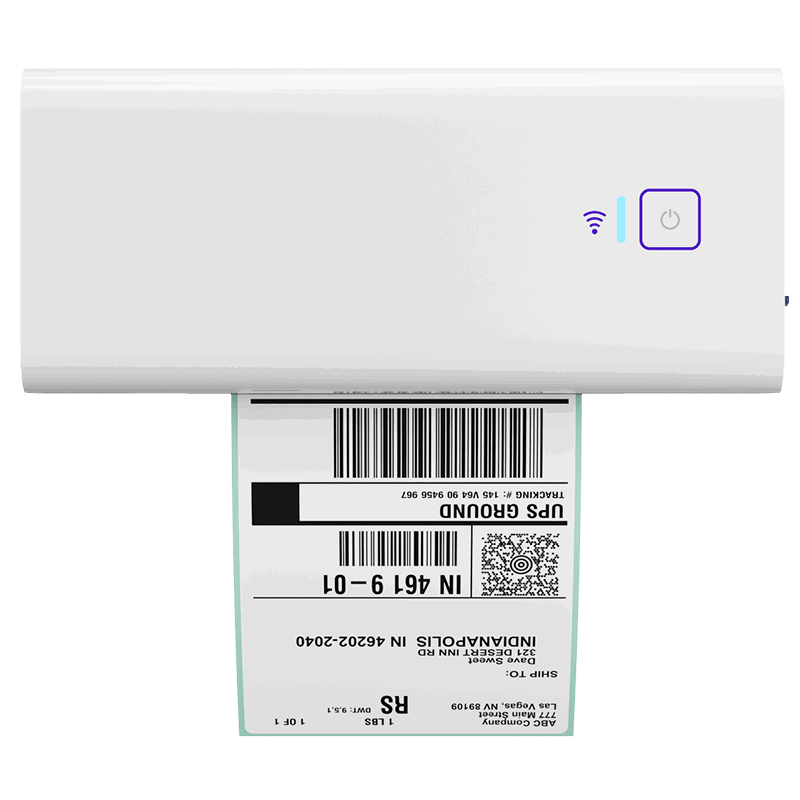
The Rollo Wireless Printer helps you print labels fast, stay organized, and keep fulfillment moving without ink or extra setup friction.
Final Words
The DTC shipping cost breakdown for US and Canada is much bigger than the label alone. Once you factor in fulfillment, packaging, dimensions, destination, returns, and Canada-specific landed-cost issues, it becomes easier to see why some orders look profitable at checkout but tighter in real life.
That is the main takeaway: better shipping decisions usually happen before the label is bought. When brands use better package data, separate US and Canada assumptions, and compare options with fewer blind spots, they have a better chance of protecting margin and avoiding expensive surprises.
Follow Rollo on:
Frequently Asked Questions About Shipping Cost Breakdowns for US and Canada
📌 Q: Why do Canada orders cost more than expected?
💭 A: Canada orders can carry more cost layers than a domestic shipment, including duties, taxes, brokerage, and cross-border fee exposure. That makes the final total feel less predictable if checkout only reflects the outbound label.
📌 Q: What is included in a DTC shipping cost breakdown?
💭 A: A true DTC shipping cost breakdown usually includes fulfillment, carrier fees, packaging impact, storage, returns, and — for cross-border orders — landed-cost factors beyond the label itself.
📌 Q: What is the difference between label cost and landed cost?
💭 A: Label cost is the shipping label. Landed cost is the fuller delivered cost, which may include duties, taxes, brokerage, and other charges beyond the label.
📌 Q: Is dimensional weight making me overpay?
💭 A: It can, especially if the shipment is bulky for its actual weight. The real box often changes the billed cost more than sellers expect.
📌 Q: Do returns make Canada shipping much more expensive?
💭 A: They can. A cross-border return is often a second international shipment, which means the order may carry more total shipping cost than the outbound label suggested.
📌 Q: What should I check before pricing shipping or buying a label?
💭 A: Start with the real package, the actual destination, likely landed-cost assumptions, and whether the service comparison reflects the true shipment rather than a simplified estimate.


