
TL;DR: Telehealth shipping is the process of sending wellness, prescription-adjacent, or concierge customer shipments while managing costs, labels, tracking, and delivery expectations. For recurring shipments, brands need clear rate comparison, multi-carrier tracking, and a repeatable workflow to avoid surprise costs and customer support gaps.
Your monthly wellness kits are ready to ship, but the final cost is not always clear, and every tracking gap can turn into a customer support question. That is where telehealth shipping becomes more than getting a package from point A to point B.
For small telehealth and concierge wellness brands, the real challenge is building a repeatable shipping workflow that keeps costs, labels, carrier choices, and tracking in view.
The right process helps you compare options before printing labels, spot avoidable cost surprises, and give customers a smoother post-purchase experience with fewer unknowns.
Here’s What We’ll Cover
What Does Telehealth Shipping Mean for Wellness Brands?

Telehealth shipping, for wellness brands, means managing customer shipments connected to care, wellness, or concierge services while keeping costs, labels, tracking, and delivery expectations organized. It is not only about sending a package. For small operators, the bigger challenge is building a repeatable process that reduces cost surprises and tracking gaps.
How this differs from patient-facing prescription delivery
Most search results explain telehealth shipping from the customer’s side: choose a provider, complete a virtual visit, and receive a package at home.
That misses the brand’s real shipping problem.
For the operator, telehealth shipping may involve:
- Checking order details before labels are created
- Comparing carrier options before committing to a rate
- Printing professional shipping labels without slowing down fulfillment
- Tracking packages across different carriers
- Helping customers understand where their shipment is
- Reviewing costs after shipments go out
That is a very different job than simply saying, “We ship to your door.”
Why recurring wellness shipments need a process, not one-off fixes
A one-time shipment can be handled manually. A monthly shipment schedule is different.
When shipments repeat, small issues repeat too. A slightly higher rate, a missed tracking update, or a label mistake can become a bigger problem over time.
For wellness-kit shipping, the process should be clear before the package leaves your workspace. That means knowing what you are shipping, which carrier makes sense, how the label gets printed, and how the customer will track it.
Why Do Shipping Costs Change for Recurring Wellness Shipments?

Shipping costs can change because recurring shipments repeat small cost variables across package type, destination, carrier service, and final billed charges. A label may show one estimate before purchase, while the final cost may reflect adjustments or surcharges later. That is why cost visibility matters before and after labels are printed.
Quoted Rate vs. Billed Cost: What Should You Track?
The rate you see before printing a label is not always the full story. A final billed cost may change because of package details, carrier adjustments, destination, service level, or other shipping-related factors.
You do not need to become a logistics analyst. But you do need a basic habit: compare what you expected to pay with what you actually paid.
A simple review can help you spot patterns like:
- Certain package sizes costing more than expected
- Some destinations creating higher recurring costs
- A service level being used out of habit, not because it is the best fit
- Monthly shipments costing more than your team planned for
Why Free Shipping Still Needs Internal Cost Visibility
Free shipping is not free for the brand. It simply means the customer does not pay a separate shipping charge at checkout.
That can still be a smart offer. But the business needs to know what each shipment costs internally.
| Cost issue | Why it matters | What to check |
|---|---|---|
| Quoted rate vs. billed cost | The final cost may differ from the label estimate | Review the billed cost after shipments go out |
| Package type | Small changes in package size can affect cost | Confirm dimensions and weight before printing |
| Carrier choice | One carrier may not be best for every shipment | Compare available services before buying labels |
| Service level | Faster options may cost more than needed | Match speed to the customer promise |
| Recurring volume | Small cost gaps can repeat every month | Review patterns by destination or package type |
Common Cost Traps in Monthly Wellness-Kit Shipping
Cost traps often hide in routine. The team gets used to one carrier, one service, or one packing flow. Then nobody questions it until the invoice looks higher than expected.
Common traps include:
- Printing labels before comparing options
- Using the same service level for every shipment
- Not reviewing billed costs after the fact
- Handling monthly orders across too many tools
- Treating recurring kits like one-off packages
The fix is not always a cheaper label. Sometimes it is a clearer process.
How Can Telehealth Brands Avoid Surprise Shipping Costs?

Telehealth brands can reduce surprise shipping costs by comparing carrier rates before buying labels, checking actual billed costs after shipments, and watching repeated cost patterns across package types or destinations. The goal is not only lower shipping spend. It is knowing what each shipment may cost before recurring fulfillment affects margins.
Compare Carrier Rates Before You Print
The best time to control cost is before the label is created.
Before printing, check:
- Package weight and dimensions
- Destination
- Delivery speed needed
- Available carrier options
- Estimated shipping cost
- Tracking expectations
- Whether the shipment fits your usual workflow
This is where carrier comparison matters. It gives your team a chance to choose based on cost, speed, and fit instead of habit.
Review Actual Costs After Shipments Go Out
Cost control does not stop when the label prints. Recurring shipments should also be reviewed after the fact.
A simple weekly or monthly review can answer:
- Did the final billed cost match what we expected?
- Are certain package types costing more?
- Are we seeing repeated fees or adjustments?
- Are some destinations harder to ship to?
- Are we using the right service level for the promise we make?
You do not need a complicated spreadsheet to start. Even a basic check can help you see if your shipping process is drifting.
Look for Patterns by Package, Lane, or Service Level
One surprise charge is annoying. A repeated pattern is a workflow issue.
Look for patterns around:
- Similar destinations
- Repeat customers or recurring orders
- Package sizes used often
- Service levels chosen by default
- Carrier choices that no longer fit the shipment
This helps your team move from reactive shipping to planned fulfillment.
How Does Tracking Visibility Reduce Customer Support Gaps?

Tracking visibility helps telehealth and wellness brands see shipment status before customers have to ask. When packages move across different carriers or recurring cycles, gaps in tracking can create uncertainty for both the customer and support team. A clearer tracking workflow helps teams respond faster and keep expectations organized.
Why Tracking Gaps Become Support Questions
A customer waiting for a recurring wellness kit may not think like a fulfillment manager. They just want to know where the package is.
When tracking is unclear, your support team may get messages like:
- “Has my order shipped?”
- “Why has the tracking not updated?”
- “Which carrier has my package?”
- “Is this delayed?”
- “Can you send me the tracking link again?”
Those questions are not just small interruptions. They pull time away from fulfillment, support, and customer care.
What Customer Support Teams Need to See
Support teams need quick access to the basics:
- Order status
- Carrier name
- Tracking number
- Shipment date
- Delivery status
- Any visible delay or exception
- Customer notification history, if available
If your team has to check one store dashboard, one carrier portal, and one spreadsheet to answer a simple question, the workflow is already too scattered.
How Tracking Updates Support High-Touch Service
Concierge and wellness brands often compete on trust. Tracking is part of that trust.
Clear tracking helps teams respond with more confidence. It can also reduce the awkward back-and-forth that happens when nobody knows where a shipment stands.
That does not mean every delay can be prevented. But it does mean the team can see more, respond sooner, and keep the customer experience more organized.
What Should a Recurring Wellness-Kit Shipping Workflow Include?

A recurring wellness-kit shipping workflow should include order review, package confirmation, carrier comparison, label creation, tracking updates, and cost review. When these steps happen in separate tools, small teams spend more time copying information, checking portals, fixing mistakes, and answering customer questions.
Step 1: Review Orders and Package Details
Start with the order. Confirm the customer, destination, product type, package size, and shipment timing.
Before you compare rates, make sure the package details are accurate. A small error at this stage can affect label cost, delivery expectations, and customer communication.
Step 2: Compare Carrier Options
Next, compare available carrier options. The goal is not always to pick the cheapest one. The goal is to choose the best fit for that shipment.
Consider:
- Cost
- Delivery speed
- Tracking visibility
- Customer expectations
- Package type
- Destination
- Service reliability for that shipment type
For many brands, comparing USPS and UPS options can help create a clearer decision before labels are printed.
Step 3: Print Labels and Prepare Shipments
Once the shipping choice is made, label printing should be simple and repeatable.
Professional shipping labels matter because they reduce friction during fulfillment. A clean label is easier to scan, easier to apply, and easier to work into a daily shipping routine.
If your team is still fighting with ink, paper alignment, or reprints, the label process may be slowing down more than you think.
Step 4: Track Shipments Across Carriers
After the shipment leaves, tracking becomes the main visibility point.
A good workflow should make it easy to see what shipped, which carrier has it, and where the package stands. This becomes especially important when customers ask for updates.
Step 5: Review Costs After Delivery
Finally, review what the shipment actually cost. This is where your team can catch patterns before they become normal.
A simple recurring workflow may look like this:
- Confirm orders and package details.
- Compare carrier rates.
- Print labels.
- Send or monitor tracking.
- Review final billed costs.
- Adjust the next cycle if patterns appear.
That loop is where better shipping decisions happen.
Make Label Printing the Easy Part
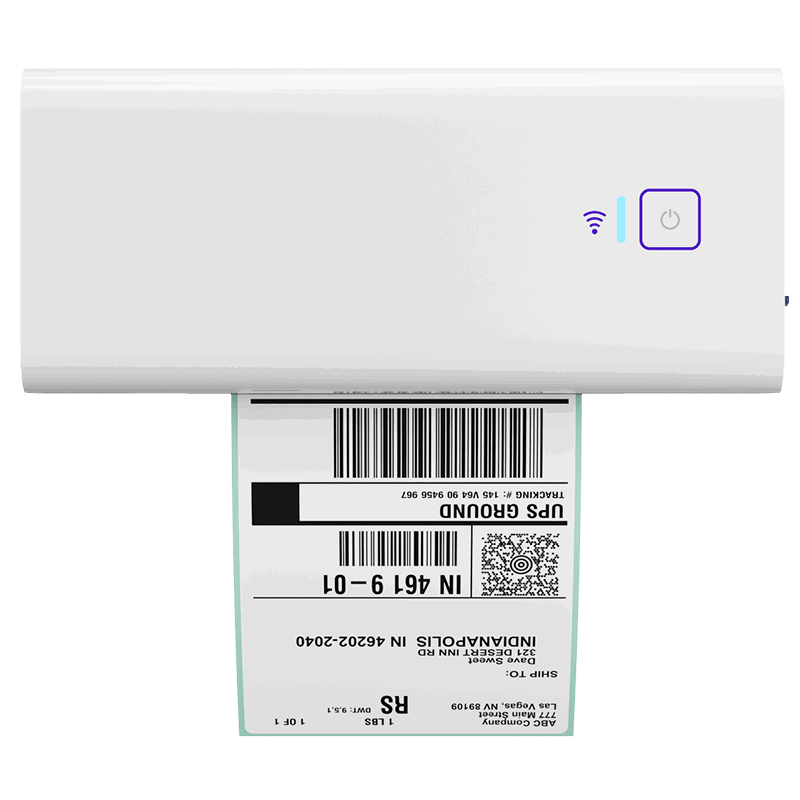
When recurring orders are ready to ship, your label workflow should not slow the team down. The Rollo Wireless Printer helps you print crisp 4×6 shipping labels without ink, so your packing process stays cleaner and easier to repeat.
Should You Use Carrier Portals, Platform Shipping, or a Centralized Dashboard?

Carrier portals, platform shipping, and centralized dashboards each solve different shipping problems. Carrier portals may work for simple shipments. Platform shipping can be convenient for store orders. A centralized dashboard becomes more useful when brands need to compare rates, print labels, and track recurring shipments without jumping between tools.
| Shipping setup | Best for | Where it can break | When to consider another option |
|---|---|---|---|
| Carrier portals | Simple one-carrier shipments | Harder to compare across carriers | You ship recurring orders across different destinations |
| Platform shipping | Store-based order fulfillment | May keep you tied to one platform workflow | You sell across channels or need broader rate comparison |
| Manual labels | Very low volume | Easy to make mistakes or lose visibility | Labels, tracking, and support questions take too much time |
| Centralized dashboard | Compare, print, and track workflows | Requires choosing the right tool | You need cost visibility and tracking in one place |
Carrier Portals: Simple but Limited
Carrier portals can work when your shipping needs are simple. If you ship a few packages with one carrier, they may be enough.
But they can become limiting when you need to compare carriers, manage multiple orders, or track recurring shipments from one place.
Platform Shipping: Convenient but Narrow
Platform shipping is useful because it is already connected to your store. For many small sellers, that convenience matters.
The issue is that wellness and telehealth brands may not always operate from one platform forever. If you ship across Shopify, WooCommerce, Amazon, or other channels, a platform-only workflow can start to feel narrow.
Centralized Dashboards: Better for Compare, Print, and Track
A centralized shipping dashboard helps when the process needs to be more organized.
It can support:
- Rate comparison before printing
- Label creation in one workflow
- Multi-carrier tracking
- Order visibility
- Less tab switching
- Easier recurring fulfillment
This is often the turning point: your team does not need a massive logistics system, but it does need fewer disconnected steps.
Decision Table: Which Setup Fits Your Current Problem?
| If your problem is… | Look for… |
|---|---|
| Costs change more than expected | Rate comparison and billed-cost review |
| Tracking questions take too much time | Multi-carrier tracking visibility |
| Labels slow down fulfillment | A faster label printing workflow |
| Orders come from multiple channels | Dashboard-based order management |
| Monthly kits feel repetitive and manual | A repeatable fulfillment process |
What Should You Check Before Printing a Telehealth Shipping Label?

Before printing a telehealth shipping label, confirm the package details, destination, carrier options, service level, estimated cost, tracking expectations, and any product-specific handling needs. This check helps teams catch preventable mistakes before recurring shipments leave the workflow and become harder to fix.
Use this quick checklist before creating labels:
- Package details: Is the weight and size accurate?
- Destination: Is the address complete and formatted correctly?
- Carrier options: Have you compared available services?
- Service level: Does the speed match the customer promise?
- Estimated cost: Does the rate make sense for the shipment?
- Tracking: Will your team and customer have clear tracking access?
- Product notes: Does this shipment need any special handling?
- Label output: Is the label clean, scannable, and ready to apply?
This is a small control point, but it matters. Once the label is printed and the package is out, mistakes become harder to fix.
Where Does Rollo Fit in a Telehealth Shipping Workflow?

Rollo fits when a telehealth or wellness brand wants a simpler way to compare rates, print labels, and track shipments without bouncing between disconnected tools. Rollo Ship supports the workflow side of recurring fulfillment, while Rollo’s thermal label printer helps teams create professional labels without ink.
Compare Rates Before You Commit
Rollo Ship helps sellers compare discounted USPS and UPS rates before printing labels. That supports the cost visibility this kind of workflow needs.
For recurring wellness shipments, seeing options before you commit can help your team make clearer decisions.
Print Professional Labels Without Ink
Rollo’s Wireless Label Printer gives teams a practical way to print labels without ink cartridges. That matters when label creation is part of your daily or monthly routine.
The goal is simple: fewer label headaches when orders are ready to ship.
Track Shipments From One Dashboard
Rollo Ship also helps keep shipping activity organized in one place. That can make it easier to compare, print, and track without bouncing between tools.
For a small team, fewer tabs can feel like a small luxury. On a busy shipping day, it feels like oxygen.
When Rollo Ship Makes the Most Sense
Rollo Ship makes sense when your team wants to:
- Compare carrier rates before printing
- Create labels without extra tool switching
- Track shipments in one dashboard
- Support recurring shipping workflows
- Keep shipping more organized as order volume grows
Bring Costs, Labels, and Tracking Into One Workflow
Telehealth shipping gets easier when your team can compare carrier rates, create labels, and track shipments without jumping between disconnected tools. Rollo Ship helps small brands keep recurring fulfillment more organized from the first label to final tracking update.

What Mistakes Should Wellness Brands Avoid With Telehealth Shipping?

Wellness brands should avoid choosing shipping tools only by convenience, speed, or the lowest visible rate. A better workflow also considers tracking visibility, recurring shipment patterns, billed-cost review, label accuracy, and customer support impact. The right setup should reduce friction without adding enterprise-level complexity.
Common mistakes include:
- Choosing only the cheapest visible rate: Low cost matters, but tracking, speed, and service fit matter too.
- Using one tool for every shipment: What works for one package may not work for every customer or destination.
- Skipping post-shipment cost review: If you never compare billed costs, you may miss recurring cost patterns.
- Waiting for customers to report tracking problems: By then, the support issue has already arrived.
- Treating recurring kits like one-off orders: Repeat shipments need repeatable steps.
A stronger workflow does not need to be complicated. It just needs to make the important checks easier to repeat.
Final Words
Telehealth shipping works best when costs, labels, tracking, and customer expectations are part of the same repeatable process. For wellness brands shipping recurring kits, the goal is not to make fulfillment more complicated. It is to make each shipment easier to compare, print, track, and review before small issues become monthly problems.
Follow Rollo on:
Frequently Asked Questions About Telehealth Shipping
📌 Q: What is telehealth shipping?
💭 A: Telehealth shipping is the process of sending wellness, prescription-adjacent, or concierge customer shipments while managing costs, labels, tracking, and delivery expectations. For brands, it is an operational workflow, not only a customer delivery experience.
📌 Q: Why do telehealth shipping costs change?
💭 A: Costs can change based on carrier, package type, destination, service level, and final billed adjustments. That is why brands should compare rates before printing labels and review actual costs after shipments go out.
📌 Q: How can telehealth brands avoid surprise shipping costs?
💭 A: Brands can reduce surprises by comparing carrier rates before buying labels, checking billed costs afterward, and looking for repeated surcharge patterns. The goal is clearer cost visibility, not just chasing the cheapest visible rate.
📌 Q: How does tracking visibility help customer support?
💭 A: Tracking visibility helps teams see shipment status before customers need to ask. For recurring wellness shipments, this can help support teams respond faster and reduce uncertainty when packages appear delayed or unclear.
📌 Q: What should a recurring wellness-kit shipping workflow include?
💭 A: A recurring workflow should include order review, package confirmation, rate comparison, label creation, tracking updates, and cost review. These steps help teams avoid rebuilding the process manually each month.
📌 Q: Should wellness brands use carrier portals or a shipping dashboard?
💭 A: Carrier portals may work for simple one-off shipments, while a shipping dashboard is often more useful when brands need to compare rates, print labels, and track recurring shipments in one place.
📌 Q: Is free shipping the same as clear shipping cost visibility?
💭 A: No. Free shipping describes what the customer pays, but the brand still needs to understand the internal cost of each shipment. Cost visibility helps teams protect margins and make better shipping decisions.
📌 Q: When should a wellness brand move away from manual shipping?
💭 A: A wellness brand should consider moving away from manual shipping when label creation, rate checks, tracking updates, or support questions start taking too much time. Recurring shipments usually benefit from a more repeatable workflow.
📌 Q: How does Rollo Ship help with telehealth shipping workflows?
💭 A: Rollo Ship helps brands compare rates, create labels, and track shipments from one dashboard. That makes it a practical fit for small wellness or telehealth teams that want fewer disconnected shipping steps.


