
TL;DR: A shipping surcharge is an extra carrier fee added on top of your base shipping cost—for delivery area, fuel, package size, weight thresholds, or handling. Shipping surcharges often surface too late, at label purchase or on the invoice, which is why a "good rate" can quietly turn into a margin problem. The common shipping surcharges (delivery area, residential, dimensional weight, address correction, additional handling, fuel, and peak) follow predictable triggers. Check those triggers before you print, and most surprises disappear.
“Why did the shipping invoice jump after I already bought the label?” If you’ve asked that, you’re really asking what shipping surcharges are—and why they show up when you least expect them.
They’re extra carrier fees added on top of your base shipping cost for things like delivery area, fuel, package size, or handling. For online sellers, those charges can turn a good rate into a margin problem fast.
Once you can spot surcharge triggers before you print, shipping gets a lot easier to manage — and a lot less frustrating.
This guide is for online sellers who watch their margins and keep seeing invoices come in higher than the quoted rate. If surcharges feel like they appear out of nowhere—and you want to see the real cost before you print—this breaks down where the charges come from and how to catch them early.
Shipping Surcharges at a Glance
- What they are: extra carrier fees layered on top of the base shipping rate.
- Most common types: delivery area, residential, dimensional weight, additional handling, address correction, fuel, and peak season.
- Surcharge vs. handling fee: a surcharge is a carrier fee for special conditions; a handling fee usually covers packing and processing.
- Why they surprise sellers: the quoted label price rarely shows the full surcharge risk; invoices do.
- Biggest cost-stacker: a residential address in a remote or delivery-area zone can trigger two fees at once.
- How to control them: measure after packing, verify the address, and compare carrier rates before printing.
- Carriers vary: USPS, UPS®, FedEx, Canada Post, and Purolator each set their own surcharge rules—always check current carrier documentation.
- Who this is for: online sellers shipping parcels across the US and Canada — roughly 50–500 orders a month — who keep getting surprised by extra fees on the carrier invoice
Read Ahead
What are shipping surcharges?
Shipping surcharges are additional fees added on top of a base shipping cost for things like destination, package size, fuel, or handling. They matter because the quoted shipping price is often only part of the final total, especially for e-commerce orders.

What counts as a surcharge vs a standard shipping fee
A standard shipping fee is the main transportation charge for the service you selected. A surcharge is an extra fee layered on top of that rate. It applies because of special conditions, like a residential address, fuel changes, or additional handling.
Base shipping cost vs total shipping costs (quick comparison)
The base shipping cost is the starting price before add-ons. Total shipping costs include the base rate plus shipping surcharges, shipping fees, and any extra costs that appear at label purchase or later on invoices.
Why sellers should care about shipping surcharges early
Sellers should care early because shipping surcharges can significantly affect costs and profit margins. If you only look at the base shipping cost, you may underprice shipping, promise the wrong checkout rate, or miss patterns that quietly raise expenses.
| Term | What it means | Why it matters |
|---|---|---|
| Base shipping cost | Starting carrier rate | Useful, but incomplete |
| Surcharge costs | Extra add-on fees | Can change by shipment |
| Total shipping costs | Base + all additional fees | What hits margins |
What are shipping and handling fees, and how do they differ from surcharges?
Shipping and handling fees combine two things: the carrier’s transport charge and a handling portion that covers packing, processing, and materials. A surcharge is different — it is an extra carrier fee added for conditions like delivery area, size, or fuel. At checkout, sellers often bundle all three into one “shipping and handling” line.
The handling part vs the carrier part
The handling part usually reflects your own costs to pick, pack, and prepare an order. The carrier part is the base rate plus any surcharges the carrier applies. Separating the two helps you price accurately and see which costs you actually control.
Why “shipping and handling” hides surcharge risk
When everything sits in one checkout line, surcharges stay invisible until the invoice. A residential or delivery-area fee can land days later, even though the buyer already paid a flat “shipping and handling” amount. That gap is where margin quietly leaks.
| Charge | Who sets it | What it covers |
|---|---|---|
| Base shipping fee | Carrier | Core transport for the chosen service |
| Handling fee | Seller | Packing, processing, materials, labor |
| Surcharge | Carrier | Add-on for special conditions (area, size, fuel) |
Why do shipping costs rise after you already bought the label?
Shipping costs rise after label purchase when surcharge costs or adjustments appear later than the initial quote. Sellers often feel this “too late” on shipping invoices. Address, delivery area, or package measurements can each trigger extra charges.

Quoted rate vs final invoice cost: where the gap happens
The gap happens when the quote is based on the data entered at label creation. The final invoice reflects how the shipment was actually processed. If dimensions, address details, or service conditions differ, additional fees can appear later.
Why “invisible at checkout” creates unexpected costs
“Invisible at checkout” means the team sees a usable rate but not the full surcharge risk. That creates unexpected costs because the workflow moves on. The shipping invoice becomes the first place anyone notices the difference.
Common shipping operations blind spots that cause surprises
Common blind spots include rushed measuring, incomplete address entry, skipped service comparisons, and no one owning surcharge tracking. It is rarely one huge mistake. It is a series of small misses that raise costs over time.
A common scenario: the label looked fine, the order shipped fast, and everyone moved on. Then the weekly invoice arrived with a delivery area surcharge and an address correction fee. Surprise.
What are the most common shipping surcharges for online sellers?
The most common shipping surcharges for e-commerce sellers include fuel surcharges, residential delivery surcharges, delivery area surcharge fees, address correction fees, additional handling surcharges, and peak surcharges. These common surcharges can stack and significantly affect costs.

Fuel surcharges and fluctuating fuel prices
Fuel surcharges are variable add-on fees tied to fuel costs and market price changes. They shift often, which makes them harder to budget than fixed fees. That is especially true if your store ships many small parcels every day.
Residential delivery surcharges vs delivery area surcharge
Residential delivery surcharges apply because a package goes to a home address. Delivery area surcharge fees apply because of where that address is located. One is about address type; the other is about destination coverage.
Address correction surcharge and address correction fees
An address correction surcharge is charged when the carrier must fix or interpret address details. Missing apartment numbers, bad ZIP formatting, or typos can trigger address correction fees. Those fees create avoidable shipping expenses.
Additional handling surcharges and other common shipping fees
Additional handling surcharges apply when a package crosses size, weight, or packaging-shape rules that make it harder to process. These are common fees for irregular boxes, heavy parcels, or shipments that need extra handling steps.
Peak season surcharges, Saturday surcharges, and weekend delivery fees
Peak season surcharges are temporary fees used during high-demand periods. Saturday surcharges or weekend delivery fees apply when a service includes those options. These charges can push overall costs up fast during busy sales periods.
Declared value surcharge (brief mention)
A declared value surcharge is an extra fee tied to higher shipment-value coverage. Not every package needs it. But it matters for certain products and can be one more line item that raises total cost.
| Surcharge type | Typical trigger | Why sellers miss it |
|---|---|---|
| Fuel surcharges | Rising fuel prices | Changes over time |
| Residential surcharges | Residential delivery | Base rate looks fine first |
| Delivery area surcharge | Hard-to-serve ZIPs | Not obvious from address alone |
| Address correction surcharge | Bad/incomplete address | Caught later in processing |
| Additional handling surcharges | Size/shape/weight thresholds | Packing rush |
| Peak surcharges | High demand periods | Seasonal changes |
For specifics, always check the current UPS® surcharge details, FedEx additional shipping fee documentation, and United States Postal Service documentation. Carrier rules and fees change.
Canadian shippers see surcharges too. Canada Post and Purolator apply their own fuel surcharges and extended-area (remote) surcharges, and cross-border US⇄Canada shipments can add further fees.
For current amounts, check the carrier’s own documentation, since Canadian surcharge rules differ from US carrier rules. The triggers, though, are the same everywhere: address type, destination zone, package size, and weight.
When do residential delivery surcharges, DIM fees, and oversize charges raise costs fastest?
Shipping costs rise fastest when location-based fees and package-size fees combine. Residential delivery surcharges or delivery area surcharge fees can stack with dimensional weight surcharges, additional handling fees, or oversize package surcharge charges on the same shipment.

When residential and delivery area fees can stack
Residential and delivery area fees can stack when a package goes to a residential address in a higher-cost route or remote zone. This is common in parcel shipping, especially for brands shipping nationwide to mixed urban and rural customers.
How dimensional weight surcharges differ from oversize package surcharge
Dimensional weight surcharges are driven by package volume. Oversize package surcharge fees are tied to size thresholds that exceed carrier limits or pricing bands. A light package can trigger DIM costs even when it is not technically oversized.
This is also why flat-rate and DIM-priced services can flip: the cheaper option depends on box size and weight, and you often can’t tell which wins until you compare both for that exact parcel.
To estimate volume-based pricing before you ship, run the numbers with Rollo’s dimensional weight calculator or the billable weight calculator.
Both show how box size pushes a light package into a higher price band. For a refresher on how carriers calculate that volume-based price, see What Is Billable Weight? Calculate It in Minutes.
What triggers additional handling fees (weight thresholds, shape, size)
Additional handling fees are often triggered by weight thresholds, long sides, unusual shapes, or packaging that does not move smoothly through carrier systems. Tubes, uneven boxes, and “close enough” dimensions can all create higher costs.
Why one box choice can change shipment costs
One box choice can change shipment costs because dimensions affect DIM weight, handling risk, and service eligibility. Saving a few seconds at packing can cost much more later. A bigger box can push the shipment into a more expensive category.
DIM vs Additional Handling vs Oversize (quick compare)
| Fee type | Main driver | What to control |
|---|---|---|
| DIM-related charge | Package volume | Box size |
| Additional handling | Shape/weight/size limits | Packaging method |
| Oversize package surcharge | Exceeds major thresholds | Re-box or split shipment |
If you want cleaner measurement habits, treat measuring like printing: repeatable steps beat guesswork every time.
What should you check before buying a label to reduce common shipping surcharges?
Before buying a label, sellers should check dimensions, actual weight, address accuracy, residential status, and service choice. A short pre-label routine can reduce common shipping surcharges, prevent unnecessary costs, and make shipping more predictable.

Measure package size and weight after packing
Measure package size and actual weight after packing, not before. Final packaging changes dimensions and weight. Those changes affect dimensional weight surcharges, weight thresholds, and sometimes the service options shown at checkout.
Verify the address to reduce address correction fees
Verify the address before printing the label to reduce address correction fees. Confirm apartment or suite details, ZIP code formatting, and street spelling. Small errors can trigger address correction surcharges and delayed delivery.
Check residential address and delivery-area risk
Check whether the destination is a residential address and whether it may fall into a higher-cost zone. This does not guarantee a surcharge. But it helps you spot residential delivery surcharges or delivery area surcharge risk earlier.
Compare shipping service options before you commit
Compare shipping service options before you commit. Then you can see how total costs shift across carriers and delivery speeds. The cheapest base rate is not always the lowest final cost once surcharges are added.
Flag high-risk shipments (oversized packages, weekend delivery, peak periods)
Flag high-risk shipments when you see oversized packages, borderline measurements, weekend delivery requests, or peak timing. A quick pause here can prevent unpredictable costs and save customer-service time later.
Pre-label checklist (fast version)
- Measure the packed box (length, width, height).
- Weigh the packed shipment.
- Verify the full address.
- Check residential status.
- Compare carriers and service options.
- Recheck high-risk shipments.
- Buy the label.
This is the point where the right system pays off. Comparing carrier rates and service options before you buy the label is exactly where a multi-carrier shipping platform like Rollo Ship fits. It puts USPS, UPS®, FedEx, Canada Post, and Purolator side by side in one screen, so surcharge-driven cost differences are visible while the order is still in motion. If you also want to lower costs across the board, see our guide on how to reduce shipping costs for online sellers.
What surcharge blind spots quietly cost
Without a rate-comparison step before printing, the same leaks repeat: a residential fee here, a delivery-area fee there, and an address correction next week. None is large alone. Stacked across a month of orders, they erode margin on exactly the low-priced items that can least absorb them.
Catch surcharge surprises before you buy the label
Compare rates and options while the order is still in motion—so you’re not learning about extra fees on the invoice later.
How can you reduce or avoid shipping surcharges and delivery area fees?
Shipping surcharge and delivery area fees are extra carrier charges tied to where a package is going, not what is in it. You can reduce or avoid them by checking the destination zone before you print, comparing carriers for that route, and confirming whether the address is residential. Some ZIP and postal codes sit in higher-cost or remote zones, and carriers price them differently.
A delivery area surcharge (DAS) reflects how remote or costly a destination is to reach. Remote or extended-area fees apply to rural and hard-to-serve destinations. Because each carrier draws those zones differently, the same parcel can cost less with a different carrier on the same route.
- Confirm the full, correct address—including unit and postal/ZIP format.
- Check whether the destination is residential and whether it falls in a remote zone.
- Compare USPS, UPS®, FedEx, Canada Post, and Purolator rates for that exact route before printing.
- For borderline or rural destinations, weigh delivery speed against the surcharge difference.
How can reviewing shipping invoices regularly improve surcharge tracking?
Reviewing shipping invoices regularly helps sellers spot recurring surcharge costs and billing adjustments that are easy to miss during daily fulfillment. Surcharge tracking turns invoices into useful data, which supports better packaging, service, and pricing decisions.

What line items to flag first on shipping invoices
Flag line items tied to fuel surcharges, residential surcharges, delivery area surcharge charges, address correction fees, and additional handling fees first. These common surcharges often create repeated leaks that quietly raise overall costs.
Weekly vs monthly review cadence for SMB teams
A weekly cadence works well for active shops with steady order volume. A monthly review may be enough for smaller stores. The goal is consistency, not perfection, so you catch patterns before they become normal.
How to turn invoice patterns into better shipping rules
Turn invoice patterns into shipping rules by noting repeat triggers and changing your workflow. If one product repeatedly causes dimensional weight surcharges, change the box option. Or add a packing note at the station.
What to do when a surcharge looks wrong
When a surcharge looks wrong, check your shipment details first. Then compare them with your records and carrier documentation. Keep examples, because clear records help when you question a charge or train the team.
Top 5 invoice line items to review first
- Fuel surcharge changes
- Residential delivery surcharges
- Delivery area surcharge charges
- Address correction fees
- Additional handling surcharges
Rollo Ship helps here indirectly. When your label-buying workflow is cleaner, it is easier to compare what you expected with what later appears on invoices.
How do shipping surcharges affect pricing, free-shipping thresholds, and profit margins?
Shipping surcharges affect more than expenses — they also affect pricing decisions and profit margins. If sellers only plan around base shipping cost, rising fuel costs, peak surcharges, and delivery fees can quietly reduce margins on everyday orders.

Base rate thinking vs total shipping cost thinking
Base-rate thinking focuses on the first number you see. Total shipping cost thinking looks at the full landed amount. The second approach is better for pricing because it reflects how orders actually affect margin.
When to build common surcharges into pricing
Build common surcharges into pricing when they happen often enough to be predictable, such as residential delivery or recurring fuel pressure. You do not need perfect math. You need a practical buffer that protects margins.
Why low-margin orders feel surcharge pressure more
Low-margin orders feel surcharge pressure more because even small fees take a bigger share of the sale. A few dollars in surcharge costs can wipe out the margin on low-priced items surprisingly fast.
Planning for fuel and peak season changes
Plan for fuel and peak changes by reviewing trends regularly and updating thresholds when needed. The U.S. Energy Information Administration can help you monitor fuel context, but your invoice data shows the real impact on your store.
How can Rollo help sellers catch shipping surcharge surprises earlier?
Rollo Ship helps most at the decision point, right before a label is purchased. It is a free multi-carrier shipping platform that compares real-time rates across USPS, UPS®, FedEx, Canada Post, and Purolator for sellers in the US and Canada. Seeing those rates together makes surcharge-driven cost gaps easier to spot, so fewer surprises land on the invoice later.

Where Rollo Ship fits in the label-buying workflow
Rollo Ship sits at the moment you compare carriers and choose a service for each order. That moment matters, because once the label is bought, most teams move on and lose the chance to make a better cost decision.
Rollo Ship’s AI-powered rate selection groups similar orders, applies the seller’s shipping rules, and recommends the cheapest service before the label is printed—so the comparison work happens for you. You can see how that capability works on the shipping automation page.
One free account across five carriers in the US and Canada
Rollo Ship compares all five carriers—including FedEx through your connected account on the free plan—on one screen for US and Canadian sellers before the label prints. Because it is multi-carrier and free to start, you can compare USPS, UPS®, FedEx, Canada Post, and Purolator without juggling separate carrier portals.
Rollo Ship is trusted by 500,000+ shippers across the US and Canada, and it holds a 4.8★ rating on Capterra. It’s free to start with no monthly subscription: the first 200 labels carry no service fee, then a per-label fee starts at 5¢ and drops to as low as 1¢ through Rollo Rewards. Rollo is not a carrier — postage is always paid directly to the carrier.
Because Rollo Ship runs on web plus native iOS and Android apps, you can compare rates and print from the packing bench, the back room, or your phone—useful when shipping is a daily scramble rather than a fixed desk task.
What still needs seller review
A platform improves visibility, but good habits still matter. Keep measuring after packing, verifying addresses, and reviewing invoices for surcharge patterns. Most of the savings come from a cleaner workflow plus better data—not from any single tool doing all the work.
If your team wants a smoother rate-shopping step before printing, see what Rollo Ship offers. If label-printing speed is part of the bottleneck, the Rollo Wireless label printer also helps keep the workflow moving.
Who this is NOT for
This guide is built for online sellers who ship parcels and want fewer surcharge surprises. It is less useful if you ship freight or LTL pallets, where accessorial charges follow different rules. It is also less relevant if every order ships a single flat-rate service to one zone, since surcharge variation is minimal there. For multi-carrier parcel sellers, though, surcharge visibility is where the money leaks.
What should you remember before your next shipment?
Shipping surcharges are usually a visibility problem as much as a pricing problem. If sellers check package details, address quality, service options, and invoice patterns consistently, they can reduce common surcharge surprises and make costs easier to manage.

A simple habit loop works best: check the packed shipment, compare service options, and review invoices regularly. Do that consistently, and your costs get easier to predict — even when surcharges exist.
Print the Label Without
Slowing Down the Workflow
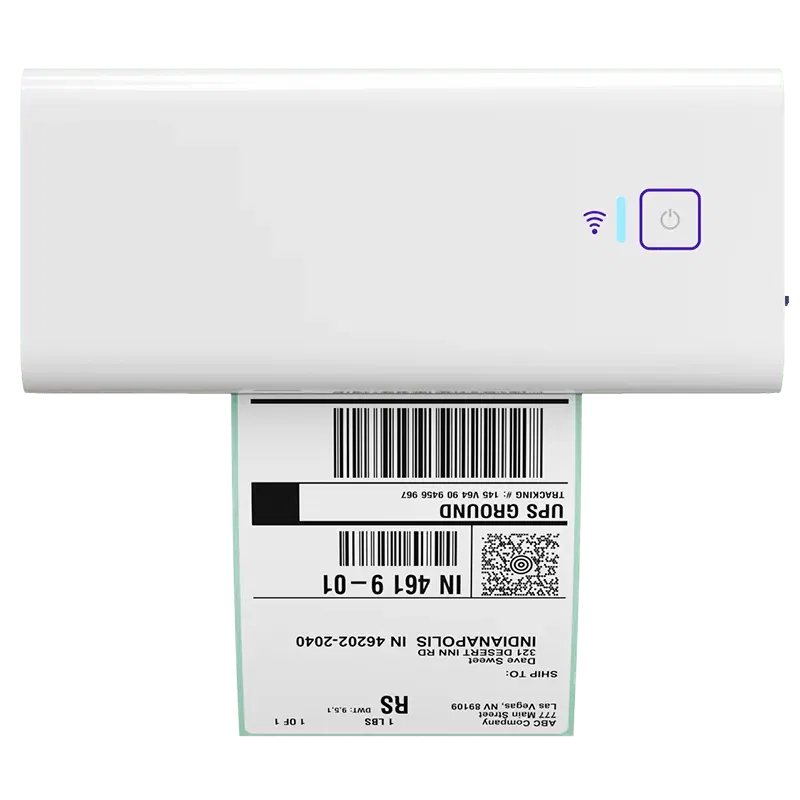
Once you know which shipping path makes the most sense, the next step should feel simple. Rollo’s Wireless Printer helps you print crisp 4×6 labels quickly, so your packing station keeps moving without adding extra friction to the order.
Final Words
Shipping surcharges aren’t random “gotchas”; they’re extra fees tied to real conditions—address type, delivery area, package size, weight thresholds, and fuel. The fix is a simple routine: measure after packing, verify the address, compare services before buying the label, and review invoices for surcharge patterns.
That routine gets easier when the comparison step is built into your workflow. As a free multi-carrier shipping platform, Rollo Ship puts USPS, UPS®, FedEx, Canada Post, and Purolator in one screen, so the lower-total-cost choice is visible before you print. Try Rollo Ship free and catch surcharge surprises before they reach the invoice.
Follow Rollo on:
Frequently Asked Questions About Shipping Surcharges
📌 Q: What are shipping surcharges?
💭 A: A shipping surcharge is an extra carrier fee added on top of your base shipping cost. Shipping surcharges apply for conditions like delivery area, residential delivery, package size, weight thresholds, fuel, and handling. The quoted rate is often only part of the final total.
📌 Q: How can I reduce or avoid remote delivery charges when ordering?
💭 A: Check the destination zone before you ship, confirm whether the address is residential, and compare carriers for that exact route. Remote delivery charges, often called delivery area surcharges, are tied to hard-to-serve destinations, and each carrier draws those zones differently. Comparing rates side by side helps you pick the lower total cost.
📌 Q: What exactly is a delivery area surcharge and how is it calculated?
💭 A: A delivery area surcharge (DAS) is an extra fee for shipments going to higher-cost or harder-to-serve destinations. Carriers assign certain ZIP and postal codes to surcharge zones based on how remote or costly delivery is. The fee is added to the base rate when the destination falls inside one of those zones.
📌 Q: Are there specific shipping surcharges for certain locations or zones?
💭 A: Yes. Carriers apply delivery area, extended-area, and remote surcharges to specific ZIP and postal codes they consider costly to serve. The same parcel can carry a surcharge to one zone and none to a nearby zone. Checking the destination zone before printing helps you anticipate the fee.
📌 Q: Are handling fees the same across different couriers?
💭 A: No. Each carrier sets its own additional-handling rules, thresholds, and amounts, and they change over time. A fee that applies with one carrier may not apply with another for the same parcel. Comparing USPS, UPS®, and FedEx for each route, rather than assuming one rate fits all, helps control total cost.
📌 Q: What exactly is included in shipping and handling fees?
💭 A: Shipping and handling fees usually combine two things: the carrier’s transport cost and a handling portion that covers packing, processing, labor, and materials. The shipping part can include base rate plus surcharges, while the handling part reflects your own fulfillment costs. Many sellers bundle both into one checkout line.
📌 Q: Why do some companies charge separate handling fees from shipping costs?
💭 A: Companies separate handling fees to recover the labor and materials involved in preparing an order, which are distinct from the carrier’s transport charge. Splitting them makes pricing clearer and protects margin when packing costs rise. It also keeps the carrier rate visible, so surcharges are easier to track.
📌 Q: Do residential delivery surcharges and delivery area surcharges stack?
💭 A: Yes, they can. A residential address located in a delivery-area surcharge zone may trigger both fees on the same shipment. One fee is about address type, and the other is about destination coverage, so they apply for different reasons and can appear together.
📌 Q: How much do shipping surcharges add to total shipping cost?
💭 A: It varies by shipment, carrier, and destination, so there is no single figure. Surcharges can add a meaningful amount on top of the base rate, especially when several stack on one parcel. For current amounts, check each carrier’s published surcharge documentation, since rates change regularly.
📌 Q: What factors contribute to high shipping costs in Canada?
💭 A: Canadian shipping costs rise with long distances, remote or extended-area destinations, fuel surcharges, residential delivery, and dimensional weight. Canada Post and Purolator each set their own rules, and cross-border US⇄Canada shipments add customs and duties. Comparing carriers for each route helps Canadian sellers find the lower total cost.
📌 Q: Why is shipping so expensive even when base rates stay the same?
💭 A: Total cost can climb even when the base rate holds, because surcharges move independently. Fuel surcharges, residential and delivery-area fees, dimensional weight, and peak-season charges can each rise or trigger more often. That is why the invoice can grow while the quoted service price looks unchanged.
📌 Q: How can I estimate international shipping costs for my online store?
💭 A: International shipping cost is driven by five main factors: package weight and dimensions, destination country, carrier and service speed, duties and taxes, and surcharges. Estimate the landed cost by adding the base rate, any fuel and remote-area surcharges, and customs charges for that country. Comparing carriers and reviewing each country’s import rules before you ship gives a more accurate total.
📌 Q: How can I reduce address correction fees?
💭 A: Verify the full address before printing the label, including apartment or suite details and ZIP or postal-code formatting. Missing units, typos, and bad formatting are common triggers for address correction surcharges. A quick check at the packing station prevents most of them.
📌 Q: How do dimensional weight surcharges increase shipping costs?
💭 A: Dimensional weight surcharges apply when a package is large for its weight, so the carrier prices by volume instead of scale weight. A light item in an oversized box can cost more than its actual weight suggests. Choosing a smaller box is often the quickest way to lower the charge.
📌 Q: Why did my shipping label cost less than my invoice?
💭 A: The label quote reflects the data entered at label creation, while the invoice reflects how the shipment was actually processed. If dimensions, address details, or service conditions differ, adjustments and surcharges can appear later. Reviewing invoices regularly helps you catch these patterns early.


