
TL;DR: Shipping perfumes and cosmetics means balancing product restrictions, package choice, and shipping cost before you buy the label. If you sell fragrance or beauty products, the real risk is not just compliance—it is using the wrong box, service, or platform default and turning a simple order into a margin problem.
You pack a fragrance order, buy the label, and then realize the shipping cost is high enough to eat the profit. That is why shipping perfumes and cosmetics feels harder than it should for many online sellers.
The problem is not just whether the order can ship. It is whether your box choice, service choice, and packaging setup make that shipment more expensive or more fragile than it needs to be.
When you can spot the real cost traps before printing the label, the whole workflow gets easier to manage with fewer surprises.
Here’s What We’ll Cover
Why does shipping perfumes and cosmetics feel harder than it should?

Shipping perfumes and cosmetics feels harder than it should because the challenge is not just getting the order out the door. Sellers also have to think about product restrictions, package choice, and total shipping cost before printing the label.
In most cases, the friction comes from three things:
- the product may need more care than a standard beauty order
- the packaging may protect the item but raise the shipping cost
- the service that works may not be the best fit for the order margin
That is what turns a routine order into a more careful shipping decision.
Why perfume is not the same as other beauty products
A lot of beauty orders are simple. Perfume often is not.
When fragrance is part of the order, the shipping decision can change fast. The product itself may affect which service makes sense, how carefully it should be packed, and how simple the shipment can stay.
That is why sellers get tripped up when they treat perfume like lotion, powder, or other lower-friction items. The order may look small on the table, but it may stop behaving like a simple shipment once you choose a box, padding, and service.
Safe to ship is not always profitable to ship
This is the part many guides skip. A shipment can be packed safely and still cost more than it should.
That usually happens when one decision solves a safety problem but creates a cost problem. You protect the bottle, but now the package is bigger. Or you choose a service that works, but it no longer makes sense for the order margin.
A good rule to remember is this: a shipment is not really “working” if it arrives safely but quietly eats the profit.
Why this problem shows up before label purchase
Most costly mistakes happen before the printer ever starts. The real decision happens when you choose the package, decide how much protection to add, and compare service options.
Once the label is bought, your flexibility is lower. That is why the smartest sellers make the shipping decision before the label locks it in.
What turns a simple beauty order into a margin problem?

A simple beauty order becomes a margin problem when the shipment costs more than the seller expected after the label is purchased. That usually happens because package dimensions, protective packaging, service fit, or carrier surcharges were not evaluated together. The issue is rarely one mistake alone. It is the combination of small decisions.
A fragrance order does not need a giant box to become expensive. Sometimes it only takes a little extra space, a little extra filler, or a packaging choice that feels safer in the moment.
That is where DIM weight becomes a problem. Even when the item itself is small, package dimensions can change what the shipment costs to move, so it helps to understand how to calculate billable weight before you assume a small order will stay cheap.
Sellers often focus on product weight, but the outside size of the package can matter just as much.
| Cost trigger | What happens | Why it hurts margin |
|---|---|---|
| Larger box than needed | The shipment takes up more space than necessary | You may pay more to move mostly empty space |
| Extra protective fill | The package grows even if the item does not | Safer packout can become a DIM problem |
| Wrong service fit | The label may look fine at first | The total shipment may cost more than expected |
| Unchecked surcharges | Extra fees show up later in the process | Profit drops on an otherwise normal order |
The wrong box can change the billable shipment
The box is often where the cost problem starts. If the package is larger than it needs to be, the shipment can get more expensive even when the product inside is small.
Why a low rate can still be the expensive option
The cheapest visible rate is not always the cheapest shipment.
A service may look good until you factor in package type, how the shipment is handled, or the kind of order you are sending. A low starting price can still turn into a bad choice if it creates more friction, more surcharges, or more damage risk.
Where surprise shipping fees usually come from
Surprise shipping fees usually show up when one part of the decision gets ignored. The common ones are:
- oversized packaging
- poor package fit
- extra handling risk
- choosing a service before you think through what the order actually needs
This is why margin erosion feels so frustrating. It rarely comes from one dramatic mistake. It comes from a bunch of small decisions that each add a little cost.
What should you check before you print the label?

Before printing the label, sellers should check the product type, package choice, package size, service fit, and likely surcharge exposure. That short review helps catch the mistakes that make perfume and beauty orders more expensive or harder to ship. The goal is to make the shipping decision before the label locks it in.
Product check
Before you do anything else, confirm what kind of order you are really shipping.
- Is this a fragrance order or a lower-friction cosmetic order?
- Does the product type change how cautious you need to be?
- Will this item need a more deliberate shipping decision before label purchase?
Package check
Next, look at the package itself. The goal is protection without unnecessary bulk.
- Is the package protecting the order without extra empty space?
- Is the box larger than it needs to be?
- Will this package choice create avoidable cost?
Service check
Then ask whether the service actually fits the order.
- Does the service make sense for the product and package?
- Are you comparing more than the visible rate?
- Does this service still make sense after the packaging is finalized?
This is where multi-carrier rate comparison becomes useful, especially when the cheapest visible rate is not always the best fit for the package.
Cost check
Last, check the full cost logic before you print.
- Could surcharges change the real total?
- Does the shipment still make sense from a margin standpoint?
- Are you buying the label too early?
This is where a shipping app can become helpful. Rollo Ship can make this step easier by giving you a clearer rate comparison view before you print, so you are not guessing based on one visible label price. That kind of order dashboard visibility is especially useful when you are trying to avoid surprise fees and make more predictable decisions.
Ready for a shipping workflow that scales without adding more chaos?
If your team is spending too much time on rate checks, label creation, and order handoffs, Rollo Ship can help bring those steps into one place. It is a practical next step for small teams that want more clarity, fewer repeated tasks, and a shipping process that feels easier to manage as order volume grows.

Why is perfume different from many other cosmetics?

Perfume often creates more shipping friction than many other cosmetics because the product itself can change the shipping path. Some fragrance orders require more caution around transport method, packaging, and service choice, while many powders, lotions, and lower-friction items are simpler to move. Sellers need to separate those decisions instead of treating every order the same.
| Order type | Shipping friction | What sellers should think about |
|---|---|---|
| Perfume order | Higher | Product type, packaging, service fit |
| Lotion or powder order | Lower | Basic package fit and shipping cost |
| Mixed beauty order | Medium to higher | The highest-friction item may shape the whole shipment |
Which product types create more shipping friction
Perfume is the main friction point because it tends to carry more shipping questions than many other beauty products. That does not mean every fragrance order is impossible. It means the order may need a more deliberate decision.
Why mixed orders need a separate decision
Mixed orders are where sellers often oversimplify. If perfume is in the box with other cosmetics, the highest-friction item may shape the whole shipping decision.
That can affect packaging, service fit, and how much flexibility you really have.
When a beauty order stops being “simple”
A beauty order stops being simple when you cannot just grab the nearest package, print a label, and move on. If the order requires more thought about restrictions, package dimensions, or service choice, it deserves a different workflow than a routine cosmetic shipment.
How do you package perfumes and cosmetics safely?

The best packaging protects the product without making the shipment larger than it needs to be. Sellers should balance cushioning, leak prevention, and package size so the order stays safer in transit without creating avoidable DIM or handling costs. Smaller, repeatable packouts usually beat oversized packaging choices made on the fly.
Protect the product without oversizing the shipment
The goal is not “add more packaging until it feels safe.” The goal is to keep the product protected with the smallest reasonable setup.
Use this logic:
- add enough cushioning to protect the item
- avoid building in unnecessary empty space
- think about protection and package dimensions together
- treat packaging as part of cost control, not just safety
Why standard packout recipes beat random box choices
Random box choices create random costs. A better approach is to build a few repeatable packout recipes for common order types.
That usually helps because it:
- reduces guesswork during packing
- makes fulfillment faster
- keeps package choices more consistent
- makes costs easier to predict
How mixed beauty orders change package decisions
Mixed orders usually need a little more thought. You may need to protect one item more carefully without letting the whole package grow more than it should.
A simple way to think about it is:
- protect the most fragile item first
- avoid upsizing the full shipment unless it is actually necessary
- choose the package type based on the whole order, not just one product
- review service options after the package decision is set
This is also where workflow matters. Packaging decisions are easier when your shipping process also lets you compare service options before printing. Rollo Ship fits naturally here because better packouts and better rate comparison work best together, especially when you want fewer avoidable surcharges and a smoother label flow.
Ground or air: what makes sense for fragrance orders?

For many fragrance orders, the shipping method is not just about speed. It also affects risk, service fit, and what choices are realistic for that shipment. Ground shipping often becomes the more practical option for higher-friction perfume orders, while other beauty products may leave more room to choose between services, as reflected in USPS hazardous materials guidance for perfume.
| Shipping path | Best used when | Tradeoff to watch |
|---|---|---|
| Ground | Higher-friction fragrance orders | May be slower, but often simpler to manage |
| Air | Lower-friction shipments or simpler product mix | May add more complexity for fragrance orders |
When ground becomes the practical path
Ground shipping often makes more sense when the order needs a more careful path. It may be the simpler option when the product creates more friction and you want fewer surprises.
Why air can add more friction
Air can add complexity to an order that already needs extra attention. For a seller trying to keep the process efficient, more complexity usually means more chances to make the wrong call.
How lower-friction cosmetics can stay simpler
This is why separating product types matters. Many cosmetics can stay in a simpler workflow, while fragrance orders may need a more deliberate one.
When does platform shipping start costing more than it saves?

Platform shipping saves time at first, but it can start costing more than it saves when the order needs better control over package type, service choice, or surcharge risk. If default platform logic is making those decisions too loosely, the convenience can become a hidden cost instead of a helpful shortcut.
| Workflow type | What feels easy | Where problems show up |
|---|---|---|
| Platform default shipping | Fast setup, fewer choices | Less control over service and package logic |
| More deliberate rate-shopping workflow | More visibility before printing | Slightly more setup, better cost clarity |
Signs platform defaults are no longer enough
A few signs show up fast:
- similar orders keep costing different amounts
- package decisions feel too loose
- the cheapest visible rate stops being the best choice
- you want more control before printing
Those are workflow signals, not just pricing annoyances.
Why auto-selected services can become expensive
Auto-selected services can be fine when orders are simple. They become riskier when package dimensions, product type, or service fit matter more.
At that point, convenience may be hiding the real decision.
When more shipping control becomes worth it
More control becomes worth it when you want fewer guesses before buying the label. This is where Rollo Ship can help without forcing a huge workflow change. It gives sellers another layer of rate comparison and order workflow clarity, which can make it easier to spot bad-fit services before they turn into surprise fees.
How can small beauty sellers build a repeatable shipping workflow?

A repeatable shipping workflow keeps beauty orders from becoming a new decision every day. Small teams usually do better with a few standard packout recipes, fewer exception paths, and a clear rule for when to compare services before printing. That makes fulfillment easier to manage without giving up cost control.
Build 2–3 standard packout recipes
Most sellers do not need ten packaging systems. They need a few solid ones.
A useful packout recipe usually includes:
- the order type it is meant for
- the package type
- the basic protective setup
- the point where service comparison should happen
Limit exception paths for odd orders
Not every order will fit neatly. That is fine.
The goal is not perfection. It is making sure most orders move through a simple, repeatable path while odd orders get a slower, more deliberate review.
Exception-path orders often include:
- larger-than-usual bundles
- mixed beauty orders with unusual packaging needs
- gift-style shipments that add bulk
- shipments that no longer fit your normal package recipe
Keep carrier decisions simple but deliberate
You do not need endless comparison every time. You need a workflow that tells you when to compare and when to move forward confidently.
That is where shipping software helps with consistency. A cleaner order dashboard and clearer rate-shopping step can give small teams relief without making the process feel heavier.
Make label printing the easiest part of your workflow
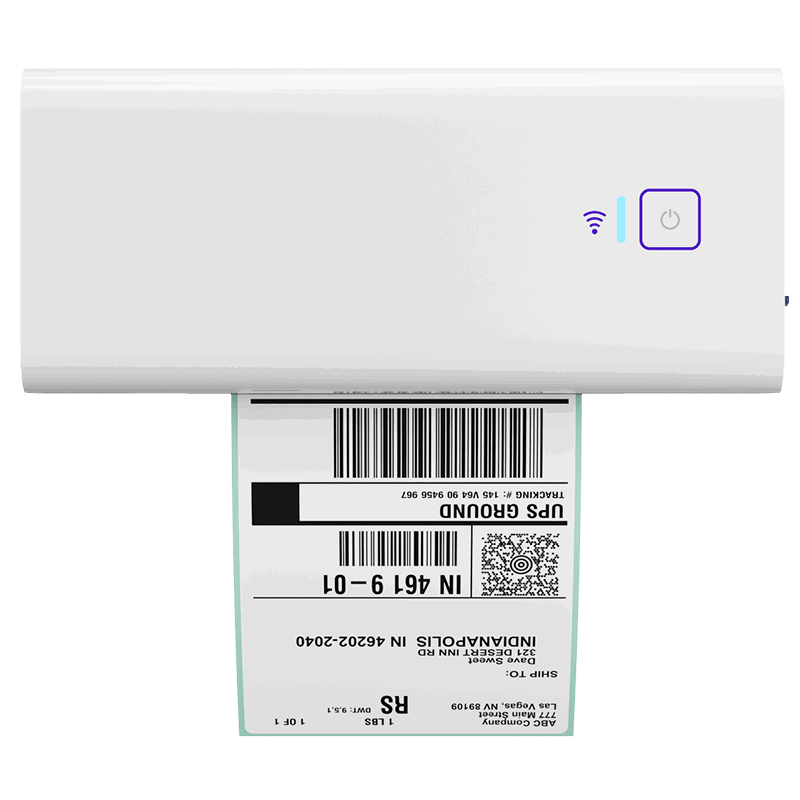
If your team is ready to spend less time on one-by-one labels, the Rollo Wireless Printer can help simplify one of the most repeated steps in shipping. It is a practical next step for small teams that want faster label printing, fewer interruptions, and a setup that feels easier to manage as order volume grows.
A simple checklist for shipping perfumes and cosmetics with fewer surprises

A short checklist helps sellers reduce shipping surprises by reviewing the same decisions in the same order every time. Product type, package choice, package size, service fit, and final label choice should all be checked before the shipment is committed. That simple habit protects both margin and fulfillment confidence.
| Check | What to confirm |
|---|---|
| Product | Does the order include a higher-friction fragrance item? |
| Packaging | Is the packout protective without unnecessary bulk? |
| Size | Do the package dimensions still make sense? |
| Service | Does the service fit the order, not just the visible rate? |
| Label | Are you printing only after the shipping decision is clear? |
Final Words
Shipping perfumes and cosmetics gets easier when you stop treating every order like a simple label-printing task. The biggest wins usually come from better package choices, smarter service decisions, and a repeatable workflow that catches problems before the label is printed. When you can spot cost traps early, you protect both margin and fulfillment confidence. That is what helps beauty sellers ship with fewer surprises, less guesswork, and a process that feels more manageable as order volume grows.
Follow Rollo on:
Frequently Asked Questions About Shipping Perfumes and Cosmetics
📌 Q: How do I compare carrier rates before I print the label?
💭 A: Compare more than the visible rate. Look at package type, package size, service fit, and likely surcharge exposure together so you do not judge the shipment by label price alone.
📌 Q: Why is perfume different from many other cosmetics?
💭 A: Perfume can create more shipping friction because product type changes the shipping decision. Many other cosmetics are simpler to handle, so sellers should not assume every beauty order follows the same path.
📌 Q: What usually causes surprise fees on beauty orders?
💭 A: Surprise fees often come from packaging choices, package dimensions, service mismatch, or surcharges that were not considered before label purchase. The problem is usually a missed shipping decision, not one dramatic mistake.
📌 Q: How can I reduce DIM risk without making the order less safe?
💭 A: Use packaging that protects the product without making the shipment larger than it needs to be. Smaller, repeatable packouts usually work better than oversized boxes filled with extra material.
📌 Q: When does platform shipping stop making sense?
💭 A: It often stops being the best fit when order complexity, product restrictions, or margin pressure require more control than platform defaults can provide. That is usually when pre-label rate comparison becomes more important.
📌 Q: Should perfume and other cosmetics ship the same way?
💭 A: Not automatically. Mixed orders should be evaluated by the highest-friction item in the shipment and by whether the packaging choice changes service fit or cost.
📌 Q: What should I check before printing a label for a fragrance order?
💭 A: Check product type, package choice, package size, service fit, and cost exposure before printing. That quick review catches many of the mistakes that make beauty orders harder to manage.
📌 Q: Do I need a more repeatable shipping workflow if I ship often?
💭 A: Usually, yes. A few standard packout recipes and a consistent pre-label review can reduce mistakes, speed up fulfillment, and make shipping costs easier to predict.


