
TL;DR: Shipping sports equipment gets expensive fast when package size, shape, and handling risk push the shipment into dimensional weight or oversize territory. If you keep getting hit with fees you did not expect, the key is to measure accurately, package tightly, compare live rates, and buy the label only after checking the real cost.
You pack the order, buy the label, and then the final shipping charge comes back higher than you expected. Shipping sports equipment gets expensive fast when bulky shapes, loose packaging, or one bad measurement push a shipment into a pricier lane.
That is what makes these orders so frustrating: the item may not seem especially heavy, but box size, handling risk, and carrier rules can still drive up the bill. The goal is not just to ship it safely. It is to protect your margin without guessing.
A smarter packaging and rate-check workflow gives you clearer choices before you commit, so you can ship with more confidence and fewer surprises.
Here’s What This Article Covers
Why are you overpaying for shipping sports equipment?

You usually overpay for shipping sports equipment when the package takes up more space than it needs, gets measured loosely, or moves into a higher-cost handling lane. The item may not seem especially heavy, but bulky shapes, extra air, and awkward packaging can still raise the billed cost fast.
A lot of sellers assume the item is the story. It usually is not. The package is the story.
A padded helmet in a tight box may ship one way. The same helmet in a roomy box with lots of dead space may price very differently. A bat, club, or long training item can do the same thing. The shipment may look harmless on your packing table, then turn into a more expensive shipment once size and handling come into play.
That is why sports equipment shipping cost can feel inconsistent. The product category stays the same, but the package profile changes. A few extra inches, a looser fit, or a longer box can shift the outcome before you even get to the label.
Why size can matter more than weight
Actual weight still matters, but package dimensions often change the bill faster for sports gear. That is especially true when the item is light for its size, oddly shaped, or packed with more air than protection.
The difference between a normal shipment and a costly one
A normal shipment feels predictable. A costly one starts to carry more risk because of size, shape, or handling. That is when you want to stop and ask whether your package setup is doing you any favors.
Why “safe” packaging can still backfire
More padding is not always the problem. Padding without control is the problem. When protection turns into a larger package than the item really needs, you may be paying more for space instead of getting better shipping value.
What triggers dimensional weight and oversize fees on sports gear?

Dimensional weight and oversize fees show up when a shipment takes up more space, crosses a harder-to-handle size profile, or gets packed less efficiently than expected. For sports gear, a few extra inches, a long box, or an awkward shape can turn a normal order into a more expensive one.
Dimensional weight in plain English
Dimensional weight is a size-based pricing method. It is a way carriers look at how much room the package takes up, not just how heavy it is. If you want a clearer breakdown, see dimensional weight vs actual weight.
That matters for sports equipment because many items are bulky without being truly heavy. Protective gear, training tools, padded sets, and long items can all create that problem. The package may feel light in your hands and still price like something larger.
Oversize fees vs billed weight changes
These are not the same thing. A billed-weight change is about how the shipment is priced. An oversize fee is an extra cost that may be added when the package profile becomes harder to handle.
In plain terms, dimensional weight changes how the carrier views the shipment. An oversize fee can stack more cost on top of that. For sellers, the result is the same feeling: “Why did this label get so expensive?”
Why extra inches can cost more than extra pounds
A few ounces rarely destroy a shipment’s economics. A few inches can.
That is why measurement mistakes are so expensive. When the package dimensions are entered loosely, or when the box is simply larger than needed, the shipment may move into a less friendly pricing outcome. This is one of the biggest cost traps in shipping sports equipment because it does not look dramatic on the surface. It looks like “close enough.”
If your workflow depends on rough estimates, the quote accuracy may fall apart right where you need confidence most.
How do you compare shipping rates before you buy the label?

The smartest time to compare shipping rates is after the order is packed and measured, but before the label is purchased. That is when real package dimensions can reveal a better carrier, service level, or packaging setup, helping bulky sports shipments avoid the kind of cost surprises that show up too late.
Measure first, compare second
Do not compare rates using a guess. Compare them using the package you are actually sending.
That means the item is packed, the weak points are protected, and the final measurements are in hand. Now the rate comparison is based on reality, not optimism.
What to compare besides the base rate
The cheapest number on the screen is not always the safest choice. Look at the total shipping picture.
Ask:
- Does one service look better because the package fits that carrier’s lane more naturally?
- Does the shipment feel close to a size-related cost trap?
- Is the package setup itself making the quote worse than it needs to be?
This is where multi-carrier rate comparison helps. You are not just looking for a lower number. You are looking for cost visibility and label purchase confidence.
Why package setup can change the outcome
Sometimes the best savings move is not switching carriers. It is switching the package.
A tighter box, better box selection, or more targeted protection may change the rate outcome before you ever choose a service. That is why compare-before-you-buy is such a useful workflow. It helps you spot whether the problem is the carrier, the service level, or the package itself.
This is also where Rollo Ship fits naturally. Once the shipment is packed and measured, comparing live carrier rates using the real package details can make the decision feel clearer and less risky before you buy the label.
How should you package sports equipment without paying for empty space?

The goal is to protect the item without letting the package get bigger than it needs to be. Sports equipment usually ships best when the box fits closely, the weak points get targeted protection, and empty space stays under control so safety does not quietly turn into a higher shipping bill.
Snug box vs oversized box
A snug box usually gives you two benefits at once. It may reduce movement in transit, and it may reduce the package size that drives up the bill.
An oversized box can feel safer because it gives you room to work. But if that room is not truly needed, it may just create more void space, more shifting, and a less efficient shipment.
Protect the weak points first
Not every part of the item needs the same protection. Focus on the spots most likely to take damage.
A rigid edge, a protruding part, a delicate surface, or a point of impact deserves more attention than the middle of a sturdy item. This kind of targeted protection often works better than surrounding the whole item with a big cloud of packaging.
When inserts help more than extra box space
Protective inserts, padding blocks, and simple internal supports can sometimes do more than sizing up the whole box. They help stabilize the item while keeping the package closer to the real shape of the shipment.
That is good for damage prevention and often better for cost control too. Once the package is finalized, comparing live rates with those exact dimensions is the smart next step, not an afterthought.
Make Label Printing the Easiest Part of Shipping Sports Equipment
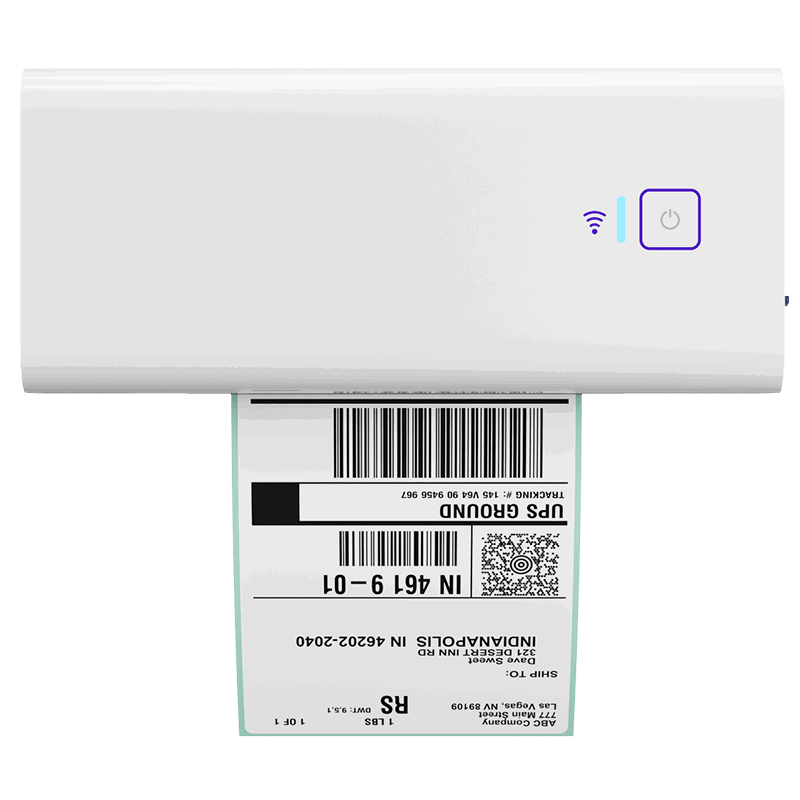
Once your packaging is dialed in, the next step is keeping the process fast and consistent. A wireless label printer helps you move from packed box to printed label without adding extra friction to the order.
What mistakes make sports-equipment shipments more expensive after the fact?

Many shipping regrets start before the box leaves the table. Loose measuring, too much void space, defaulting to one carrier, and skipping the final rate check can all lead to a higher billed cost. Some shipments also get repriced later if the carrier measures or classifies them differently in transit. UPS explains these kinds of shipping charge corrections and why accurate package details matter before you ship.
Measuring too loosely
“About this big” is not a real workflow.
When a shipment is measured casually, the quote may not reflect the real package. That opens the door to surprise surcharges or later changes if the carrier sees something different.
Using a bigger box just to feel safe
This is one of the most common mistakes in sports gear logistics. A bigger box may feel like insurance, but it often becomes a cost problem.
You may end up paying for empty space while still needing internal support because the item can move around inside. That is the worst of both worlds.
Skipping the final compare step
Many sellers already know the carrier they “usually use.” That habit can be expensive on awkward or bulky shipments.
The shipment that looked like a routine order may not behave like one. Skipping the final compare step removes your chance to catch a better option before the label is locked in. This is exactly why a compare-before-you-buy workflow can reduce avoidable regret.
Why repricing can happen later
Some shipments get a second look during transit. If the final package profile does not match what was entered, the billed result may change.
You do not need a dramatic mistake for that to feel painful. A little inaccuracy plus a bulky package can be enough to turn a normal-looking label into an unplanned cost.
When does standard parcel still make sense for sports equipment?

Standard parcel can still make sense when the package stays manageable in size, the shape is easier to handle, and the price remains predictable after measuring. Risk rises when the shipment gets longer, bulkier, or more awkward, because the cost may climb faster than the item’s actual weight suggests.
Dense and compact vs light and bulky
Dense and compact shipments often behave more predictably. Light and bulky ones may not.
That is why two sports orders with similar products can land very differently on price. The issue is not just what you sold. It is how the final package lives in the carrier’s system.
Long items and awkward shapes
Long boxes and awkward package shapes can create extra friction. Even when they are not especially heavy, they may be less friendly to standard parcel pricing and handling.
This is where you want to slow down and check the real cost picture instead of assuming the usual service is still the right fit.
When a shipment needs a closer review
If the package feels unusually long, puffy, or hard to stabilize, give it a second look. That does not mean standard parcel is wrong. It means this shipment deserves more attention than the routine ones.
What do real sports-equipment shipments look like in practice?

Real examples make sports-equipment shipping easier to judge because different item shapes create different cost and packaging problems. A padded accessory set behaves differently from a long rigid item, and both behave differently from a bulky but lightweight package. These examples help the reader apply the decision logic to real orders.
Golf clubs or bats
These items can create trouble because of length. Even when the shipment is not especially heavy, the shape may push the package into a less friendly pricing outcome.
The goal is a secure fit without unnecessary extra length or width. Good packaging materials matter here, but so does discipline around the final package profile.
Helmets and rigid protective gear
Rigid gear can trick you into using a bigger box than needed. It feels safer to leave room around the item, but too much room can create both movement and cost.
A tighter fit with focused protection on the most exposed points often creates a better result.
Padded sets and bulkier accessories
Padded items can be deceptively bulky. They may look soft and simple, but they can expand the package quickly.
This is where box selection and careful arrangement matter. The more controlled the fit, the easier it is to manage both damage risk and shipping spend.
Long but lightweight sports items
These are classic troublemakers. They may not seem expensive to ship until the package dimensions do the talking.
For items like this, rate comparison becomes especially useful because small changes in service level or packaging may change the outcome more than expected.
Final pre-label checklist: what should you check before choosing a carrier and buying the label?

A short pre-label checklist helps catch the most expensive mistakes before they become real charges. Confirm the packed size, confirm the fit, compare the live rate options, and make sure the package protects the weak points without adding avoidable bulk. This turns guesswork into a more reliable shipping workflow.
Dimension check
Make sure the package dimensions reflect the shipment you are actually sending, not the box you planned to use an hour ago.
Packaging-fit check
Ask whether the box is doing useful work or just giving the shipment more air. A better fit can lower both movement and cost.
Carrier comparison check
Run the live rate comparison after packing, not before. That gives you a cleaner look at the real shipping options.
Label-confidence check
Before buying the label, ask one last question: does this shipment feel like the best combination of protection, price, and predictability?
This is another natural place for Rollo Ship to help. Once the shipment is packed and measured, comparing options in one workflow can make the label decision feel faster, clearer, and less stressful.
Compare Rates With More Confidence Before You Buy
Once the shipment is packed and measured, Rollo Ship helps you compare live carrier options in one workflow. That makes it easier to choose the right label for bulky sports equipment without relying on guesswork.

Final Words
Shipping sports equipment does not have to feel like a margin-killing guessing game. The biggest savings often come from simple habits: pack with intention, measure accurately, avoid extra space, and compare rates only after the shipment is fully ready. When you treat packaging and label buying as one connected workflow, it becomes much easier to catch costly mistakes before they happen. A little more control before checkout can lead to better shipping decisions, fewer surprises, and more confidence on every order.
Follow Rollo on:
Frequently Asked Questions About Shipping Sports Equipment
📌 Q: What shipping setup do I actually need as a first-time seller?
💭 A: You need a setup that covers the basics in a repeatable way: package details, label creation, label printing, packing, and tracking. It does not need to be advanced. It just needs to make standard orders easier to handle without confusion.
📌 Q: Why is shipping sports equipment so expensive sometimes?
💭 A: Sports equipment often ships in packages that are bulky, long, or awkward. That means the billed cost can rise because of size and handling, not just actual weight.
📌 Q: What is dimensional weight in plain English?
💭 A: Dimensional weight is a size-based way carriers price packages. It matters most when the box takes up a lot of space without being especially heavy.
📌 Q: What is the difference between dimensional weight and oversize fees?
💭 A: Dimensional weight changes the billed weight based on size. Oversize fees are separate extra charges that may apply when the package profile becomes harder or more expensive to handle.
📌 Q: Is a bigger box always safer for sports equipment?
💭 A: Not always. A closer-fitting package with targeted protection can lower damage risk without adding avoidable bulk that raises the shipping cost.
📌 Q: When should I compare shipping rates before buying the label?
💭 A: Compare rates after the shipment is packed and measured. That is when you can see the true cost impact of the package you are actually sending.
📌 Q: Why did my sports-equipment label cost more after shipment?
💭 A: A carrier may remeasure or reclassify the package if the final dimensions or handling profile differ from what was entered. That can lead to repricing later.
📌 Q: Does heavier always mean more expensive when shipping sports equipment?
💭 A: No. A light but bulky package can create a higher billed cost than a dense, compact shipment.
📌 Q: When does standard parcel stop being the easiest choice?
💭 A: Risk rises when the shipment gets longer, bulkier, or more awkward to handle. That is when a closer look at packaging and rate comparison becomes more important.
📌 Q: How can Rollo help with this kind of shipment?
💭 A: Rollo fits best once the order is packed and measured, because that is when comparing rates before buying the label can reduce guesswork and improve confidence.


