
TL;DR: Flat rate vs dimensional weight shipping usually comes down to density, package size, and distance: flat rate often works better for dense, heavy items, while dimensional pricing can be cheaper for lighter, compact shipments. If you keep finding out after checkout, the real fix is comparing billed weight, packaging, and rates before you buy the label.
You buy the label, see the price, and realize too late that the cheaper option was probably the one you did not choose. Flat rate vs dimensional weight sounds simple, but for many sellers, it is where surprise shipping costs start.
The hard part is not knowing the terms. It is knowing which one will actually save more for your package before you pay. A light package can still cost more than expected, and a flat-rate box can be either a smart shortcut or an expensive habit.
Getting this choice right means fewer pricing surprises, better margin control, and more confidence every time you print a label.
Here’s What We’ll Cover
When does flat rate beat dimensional weight?

Flat rate usually saves more when the item is dense, heavy, and fits the carrier’s packaging well. Dimensional weight usually becomes the bigger cost issue when a package is light but takes up more space than its actual weight suggests. The cheaper choice depends on density, package size, packaging type, and distance before you buy the label.
The fast rule of thumb
If the item is heavy for its size, flat rate may work in your favor. You are paying for the box or envelope format, not just hoping your own packaging will price out better.
If the item is light and compact, your own packaging often has more upside. That is especially true when the package stays right-sized and does not waste space.
Why this choice feels confusing in real shipping workflows
The problem is that a package can look “cheap to ship” and still price high. That is why flat rate shipping vs dimensional weight feels tricky in real order flow.
You are usually making the decision fast, with other tasks waiting. When you are printing labels back to back, it is easy to choose the familiar option instead of the better one.
What changes the final billed cost
The main variables are simple: how heavy the item is, how much space the package takes up, what packaging you use, and where it is going. Those four things shape the shipping label cost more than most sellers expect.
That is also why there is no universal winner. A flat-rate box may save money for one order and lose money on the next.
If it’s light, it should be cheap to ship, right?

A light package can still get expensive when the carrier prices it by the space it takes up, not just by scale weight, because dimensional (DIM) weight rates apply to large, lightweight packages. That is why dimensional weight surprises sellers so often. If the package is bulky, puffy, or bigger than it needs to be, the billed weight can rise even when the item feels light in your hand.
Actual weight vs billed weight
Actual weight is what the package weighs on your scale. Billed weight is what the carrier may charge you for after package dimensions and pricing logic are applied, especially when the difference between dimensional weight vs actual weight changes what you actually pay.
That gap is where a lot of surprise shipping costs begin. You thought you were paying for one thing, but the final rate was shaped by something else.
Why outer dimensions matter more than sellers expect
Package dimensions are not just a technical detail. They can change carrier pricing in a big way, especially when box size or mailer size is larger than it needs to be.
That means a roomy box, a puffy mailer, or too much filler can quietly raise the cost. The item stayed the same, but the package size changed the math.
How empty space turns into extra cost
Empty space is not harmless. It can turn a low-risk shipment into a higher billed weight situation.
This is where box size matters more than sellers think. A better fit often does more for cost control than obsessing over a few ounces.
How do you compare rates before printing the label?

The safest way to avoid surprise shipping costs is to compare actual weight, billed-weight risk, packaging choice, and service rates before you buy the label. That turns a guess into a decision. Even a simple pre-purchase rate-check process can help sellers catch the cheaper option before the money is already gone.
Step 1: Measure the package as packed
Do not measure the item by itself. Measure the package as packed, sealed, and ready to ship.
That gives you the real package dimensions. It is the only version that matters when you are trying to avoid unclear pricing before checkout.
Step 2: Check actual weight vs billed weight
Put the package on the scale, but do not stop there. Look at whether the package dimensions make dimensional weight likely.
This is the step many sellers skip. It is also the step that often explains a higher-than-expected label cost.
Step 3: Compare services side by side
Now compare the real options: your own packaging, a flat-rate option if it fits, and the services available for that exact package profile. This is where rate comparison becomes more than a nice idea.
A side-by-side view gives you pre-purchase cost clarity. You are no longer choosing based on habit alone when you use a simple multi-carrier rate comparison process before buying the label.
This is also the point where a tool like Rollo Ship fits naturally. If your real problem is that you keep finding out too late, seeing rates in the label flow can make the decision faster and more organized.
Compare Rates Before You Buy the Label
If you are tired of finding out too late that a better shipping option was available, Rollo Ship helps you compare rates before you print. It gives you a faster way to check options, reduce surprise costs, and make smarter label decisions in the same workflow.

Step 4: Save the winning pattern for next time
If one package-and-service combination keeps winning for the same type of order, save it as a rule. That creates a more predictable workflow and better carrier comparison over time.
You do not need to rethink every label from scratch. You need fewer surprises and a repeatable way to get to the better choice.
Should you stick with flat rate or pack it yourself?

A flat-rate box is often the safer choice when the item is dense, heavy, and fits well, because it can remove some dimensional-weight uncertainty. Your own packaging is often better when the item is light, compact, and can ship in right-sized packaging without wasted space. The real answer depends on fit, density, and the live rate preview.
When flat-rate boxes simplify the decision
Flat-rate boxes can be helpful when you want predictability. If the item fits well and is heavy for its size, the simpler option may also be the better one.
They can also reduce the stress of second-guessing. Sometimes paying for a more stable packaging choice is worth it when the shipment profile clearly fits.
When your own box or mailer is more cost-efficient
Your own packaging usually gives you more control. That matters when the item is small, light, and can ship in a tighter package.
The risk is wasted space. If your box size or mailer size is sloppy, the freedom of own packaging can turn into overpaying for shipping.
A quick side-by-side decision table
| Situation | Flat-rate box may be better | Own packaging may be better |
|---|---|---|
| Dense, heavy item | Yes | Sometimes |
| Light, compact item | Usually no | Often yes |
| Bulky item with extra space | Sometimes | Only if tightly packed |
| You want less guesswork | Often yes | Only if you compare first |
A quick table like this is useful, but it should not replace a real rate preview. The better packaging choice still depends on the actual shipment in front of you.
Can poly mailers still get hit with DIM pricing?

Yes, poly mailers can still trigger dimensional-weight problems when they are oversized, overstuffed, or take up more space than the item needs. They are often a smart choice for compact soft goods, but they are not automatically safe from higher billed weight. What matters most is the sealed outer size, not just the packaging material.
When poly mailers help
Poly mailers can be great for soft goods that stay compact. They often reduce wasted space and can help keep shipping efficient.
That is why they are common for apparel shipments and other flexible items. When the fit is tight and clean, they usually work in your favor.
When poly mailers quietly become a DIM risk
A poly mailer is not a magic pass. If it is too large, too full, or oddly shaped, it can still create billed-weight problems.
That is where shipping label cost starts to feel unfair. The material is soft, but the package still takes up more room than expected.
Apparel examples: tee, hoodie, and bulkier soft goods
A T-shirt in a well-sized mailer may ship cleanly and stay low risk. A hoodie in a much larger mailer may create more DIM exposure than you expected.
Bulkier soft goods are where sellers often assume “soft equals cheap.” In practice, outer size still matters.
When is flat rate the better choice, and when is DIM the risk?

Flat rate is usually the better choice when the shipment is dense, heavy, and going far enough that fixed pricing adds predictability. DIM becomes the bigger risk when the item is light but bulky or packed inefficiently. In most cases, the more space your package takes up relative to its weight, the more carefully you need to compare rates before purchase.
Dense and heavy shipments
Dense items are often where flat rate feels the most useful. If the shipment fits and the weight is doing more work than the size, predictability can be a real advantage.
This is where better margin protection may come from paying attention to fit, not just weight alone.
Light but bulky shipments
DIM weight becomes the bigger risk when the item is light but the package feels roomy. That extra space is what creates pricing trouble.
This is also where DIM surcharge shock tends to feel the worst. The item never felt expensive to ship, but the package profile said otherwise.
When predictability is worth paying for
Sometimes the best choice is not the absolute lowest possible rate. It is the option that removes enough uncertainty to make your workflow easier and your costs more stable.
That does not mean defaulting to flat rate every time. It means understanding when predictability is part of the value.
How can you turn this into simple shipping rules for repeat orders?

Once you know which package-and-service combination usually wins for a common order type, you can turn that into a simple rule instead of re-thinking every shipment. That helps small teams ship faster, make fewer pricing mistakes, and protect margins without memorizing carrier logic every time a new order comes in.
What a “known good” rule looks like
A known good rule is just a pattern you trust. It might be a certain product, in a certain package, using the service that usually gives you the better result.
That is easier than solving the same puzzle again and again. It also reduces shipping cost uncertainty for the team.
Build rules by SKU, packaging type, or destination band
You can organize rules by what makes sense for your store. Some sellers think in SKUs, some in packaging types, and some in destination patterns.
The point is not to build a huge system. It is to make the next label easier than the last one.
When to review and update your defaults
A rule is only helpful if it still matches reality. Review it when packaging changes, product mix changes, or shipping patterns start feeling off again.
This is another place where Rollo Ship can fit naturally. If your goal is a more organized order workflow with better carrier comparison, a tool that keeps rate visibility close to label creation can reduce per-order friction.
What should you check before choosing flat rate or DIM?

Before you buy the label, ask four simple questions: Is the item dense or bulky? How much space does the package take up as packed? Would a flat-rate option remove risk? What does the live comparison show? Those questions can help you get to the cheaper, lower-risk choice faster and with fewer surprises.
The 4-question cost check
- Is the item dense and compact, or light and bulky?
- Are the package dimensions tighter than they were last time?
- Does a flat-rate option remove guesswork for this shipment?
- Did you compare the real rates before buying the label?
Make Smarter Shipping Decisions Easier to Repeat
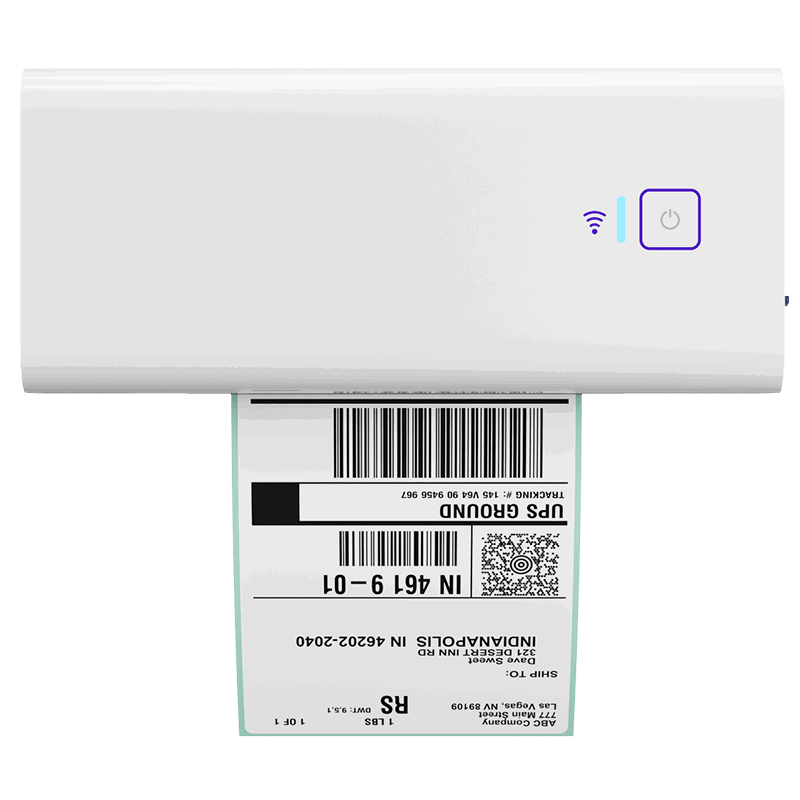
Once you have a better system for choosing between flat rate and dimensional weight, the next win is making label printing feel simple every time. The Rollo Wireless Printer helps you move from rate check to printed label faster, with a cleaner workflow for repeat orders.
Final Words
Flat rate vs dimensional weight is not really about picking one “best” option for every shipment. It is about understanding how package density, dimensions, packaging choice, and live rate comparison work together before you buy the label. In some cases, flat rate gives you predictability. In others, right-sized packaging gives you more savings. The sellers who avoid surprise shipping costs are usually the ones who check first, compare real options, and build better habits around the packages they ship most often.
Follow Rollo on:
Frequently Asked Questions About Flat Rate vs Dimensional Weight
📌 Q: What shipping setup do I actually need as a first-time seller?
💭 A: You need a setup that covers the basics in a repeatable way: package details, label creation, label printing, packing, and tracking. It does not need to be advanced. It just needs to make standard orders easier to handle without confusion.
📌 Q:Why was my shipping label so expensive for a light package?
💭 A:A light package can still cost more if the carrier bills it by dimensional weight instead of actual weight. That usually happens when the package takes up more space than its scale weight suggests.
📌 Q:Do poly mailers count for dimensional weight?
💭 A:Yes, they can. A poly mailer may still create dimensional-weight exposure if it is oversized, overstuffed, or much bigger than the item inside.
📌 Q:Is a flat-rate box cheaper than using your own box?
💭 A:Sometimes. A flat-rate box is more likely to win when the item is dense and heavy, while your own packaging often wins for lighter, compact shipments.
📌 Q:How do I know if I am overpaying before I buy the label?
💭 A:Compare the package as packed, check actual weight against billed-weight risk, and preview rates side by side. That is the fastest way to catch avoidable costs before purchase.
📌 Q:What matters more, actual weight or dimensions?
💭 A:It depends on the package profile. Actual weight matters for many shipments, but dimensions can drive the billed cost when the package is bulky.
📌 Q:When should I avoid a flat-rate box?
💭 A:Avoid it when the item is light, compact, and can ship cheaply in right-sized packaging. In those cases, flat rate may buy predictability but not savings.
📌 Q:Are poly mailers better for apparel shipments?
💭 A:Often, yes, especially for compact soft goods. But they only help when the sealed outer size stays efficient and does not quietly raise billed-weight risk.
📌 Q:What should I check before choosing flat rate shipping vs dimensional weight?
💭 A:Check density, package size as packed, likely billed-weight risk, and the live service comparison. Those factors usually tell you which option is cheaper.


